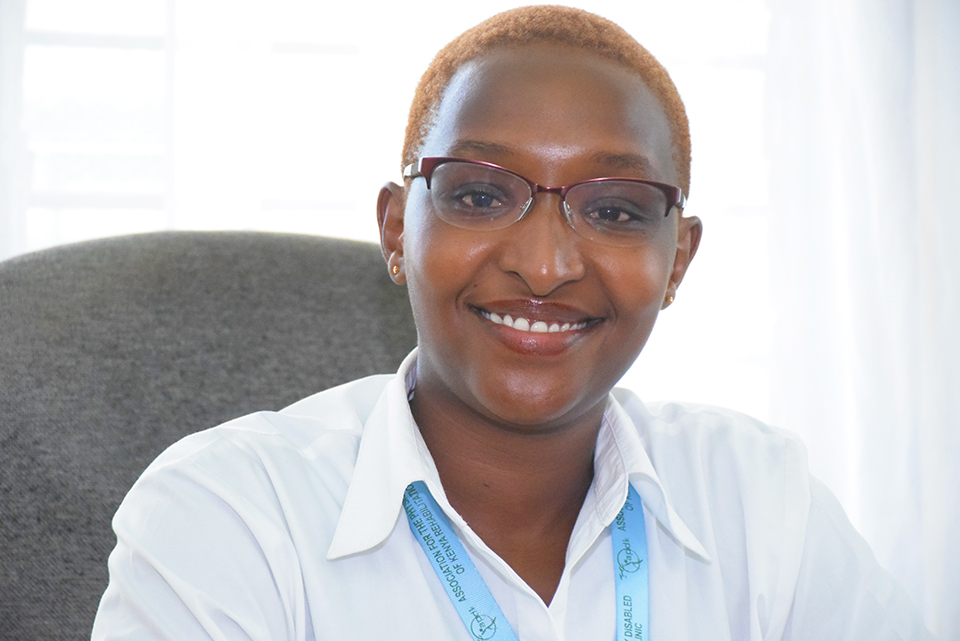
Gladys Koech: Securing Empowerment for Persons with Disabilities
When it comes to the mantra that disability is not inability, Gladys Koech is a firm believer. One of her first experiences with disability was with her sister’s child. With disability hitting close to home, Gladys was spurred on to pursue a career assisting children just like these. She carried her personal experience to her academic pursuits and gained a diploma in Occupational Therapy. Subsequently, she pursued a Bachelor’s in Project Planning and Management at the University of Nairobi and carved a path towards serving disability communities.
Joining APDK
This service came in the form of joining the Association of the Physically Disabled of Kenya - Coast branch (APDK) based in Port Reitz, Mombasa. APDK is a non-governmental organization with a focus on mainstreaming disability through advocacy, empowerment, rehabilitative services and the provision of mobility devices such as wheelchairs.
Gladys began as a volunteer in 2009 before growing into the role of Occupational Therapist. Unlike physiotherapists who work to ensure patients can move their bodies, occupational therapists support patients to perform their daily activities as best as possible. With a focus on this wellbeing aspect, Gladys has built a wealth of knowledge about the lived realities of people living with disabilities and the challenges they face particularly due to stigma.
After working directly with patients at the centre, Gladys was appointed as the Programs Director at APDK – a position that oversees the Occupational Therapy department. Her new role provided the perfect environment to continue to shed light on disabilities, push back against stigma, provide care and give hope. Being that the organisation is the only facility providing thorough institutional rehabilitation for children located in the coastal region, Gladys has her hands full organising for quality-of-life improvements for persons living with disabilities through accessible medical care and social support.
Witnessing Stigma
Much like her work in occupational therapy, the role at APDK once again brought to her attention the day-to-day challenges that persons living with disabilities face. Some of the stigmas she has witnessed have included mothers being blamed for children born with disabilities, subjected to gender-based violence and abandoned. Her extensive work has brought her close to mothers who have been pushed out of homes and even received death threats from husbands infuriated at their children with disabilities being taken out in public.
Under Gladys’ leadership, APDK programs walk alongside parents and children to ensure that there is acceptance and dedication to care steps. While some children are rehabilitated to the point of no longer requiring medical intervention, she ensures that those with conditions such as cerebral palsy - which are likely long-term - have access to the continued care they need to achieve optimal wellbeing.
Facing Systemic Challenges Head-on
Beyond individual challenges, Gladys also plays an instrumental role in ensuring that structural challenges for people living with disabilities are addressed. Access to government services is still governed by possession of identity cards – documents which cost money that some from rural areas fail to raise. Without this registration, a lack of awareness about available services and the challenge of transport for those with mobility and financial challenges, many who need assistance are left out in the cold. Gladys champions programs that stand in the gap that is left by these overwhelming challenges.
She not only leads community outreach to identify those living with disabilities, but she also ensures that empowerment programs lead to better opportunity outcomes for persons with disabilities. The Innovation to Inclusion program begun in 2019 is just one initiative headed up by Gladys that pushes for skills development for persons living with disabilities and connecting them to employers. The program has equipped 194 participants with key office skills such as navigating emails and typesetting to meet job market demands.
For continuously seeking ways to support the wellbeing and access to opportunities for persons living with disabilities, Gladys Koech is a shining light for inclusivity in Kenya’s coastal region.
#PaukwaPeople #DisabilityNotInability

In Pursuit of Free Minds


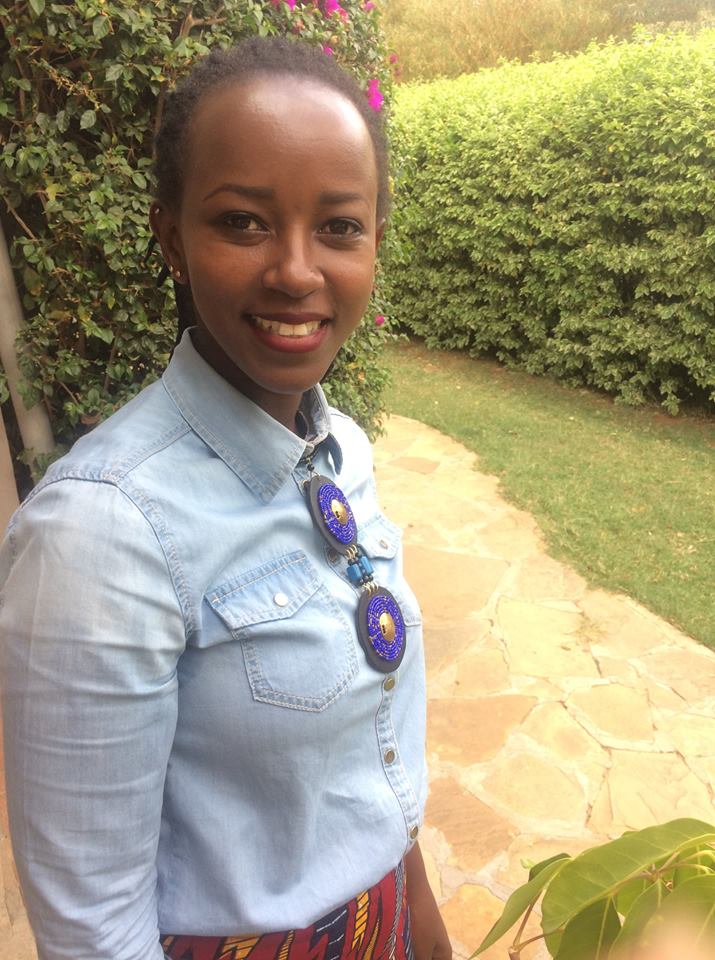
When Mukami Kowino announced to her father that she had been accepted to study law at the University of Nairobi the announcement was not met with the excitement she expected. Her father did not regard investment in women’s education as particularly useful and told her so. But she was adamant to pursue her dream of working in the field of human rights and so off to school. When she graduated a few years later with her LLB the family celebration that was led by her maternal grandmother was in one for the record books; after all she was the first woman in her family to become a lawyer! Life had not been particularly easy for Mukami – her father had battled schizophrenia all her life. A cruel disease it meant that their small family unit became isolated from normal social life that many take for granted. Dealing with mental illness in Kenya is often a secret that families deal with behind closed doors, often shunned by many that do not understand the challenges that come with supporting a family member who is suffering from their condition. For Mukami it meant that she grew up fast and became adept as a child at taking care of herself.
Perhaps her life history of seeking protection for people in difficulty led her to her choice of law – but not for battles in the courtroom which she used to watch on the famed legal show The Practice, but rather for the often harrowing and more demanding arena of Human Rights. Her first job out of campus was working as an intern for the Children's Legal Action Network (CLAN). After a few months she was bumped up to a stipend of Ksh 3000 and soon after to a salary of Ksh 5000. Not quite the dream legal career she saw on TV, but her heart was soaring. She was doing work she loved – fighting for the rights of children who had faced sexual, criminal or domestic abuse. The work was heartbreaking but crucial and each day offered new insights to the challenges many children in Kenya face.
From that immersive experience into social justice work Mukami moved onto working with a number of youth focused organisations – setting up programmes with the East Africa Community and enabling youth to get involved in social justice issues. While her work was rewarding, Mukami faced a new challenge. As a young woman an ugly reality reared its head in her workplace – often she would get hit on, receive suggestive remarks, insinuations or blatant sexual harassment at work. Her major frustration was that this was in a service organisation – a reality that she just could not reconcile with. With unequivocal confidence in her inner value system she decided to take the high road and quit. She realised that it was just not a workplace that she could continue to serve in. Looking back she says that each of these instances were integral in moulding her sense of leadership. Her experiences agave her a crucial understanding to what was key to building positive and constructive relationships with people around her, in the workplace and beyond. This journey has led her to Forum Syd, an NGO that works to support young Kenyans who are using innovative and creative ways to become agents of change. One of her favourite quotes is from a Bob Marley song. We must emancipate ourselves from mental slavery for none but ourselves can free our minds - each day she finds new ways to encourage the youth to do exactly that.
As a Kenyan Mukami worries deeply about the increasing tribal negativity in Kenya. She has had insight to different aspects of what it means to be Kenyan with a family made up of different communities across the country yet Mukami firmly believes that the road ahead is still an exciting one – she views her story as one that is still being written, and the great thing? It’s a blank canvas that she gets to create.
Chasing the Calling of My Heart
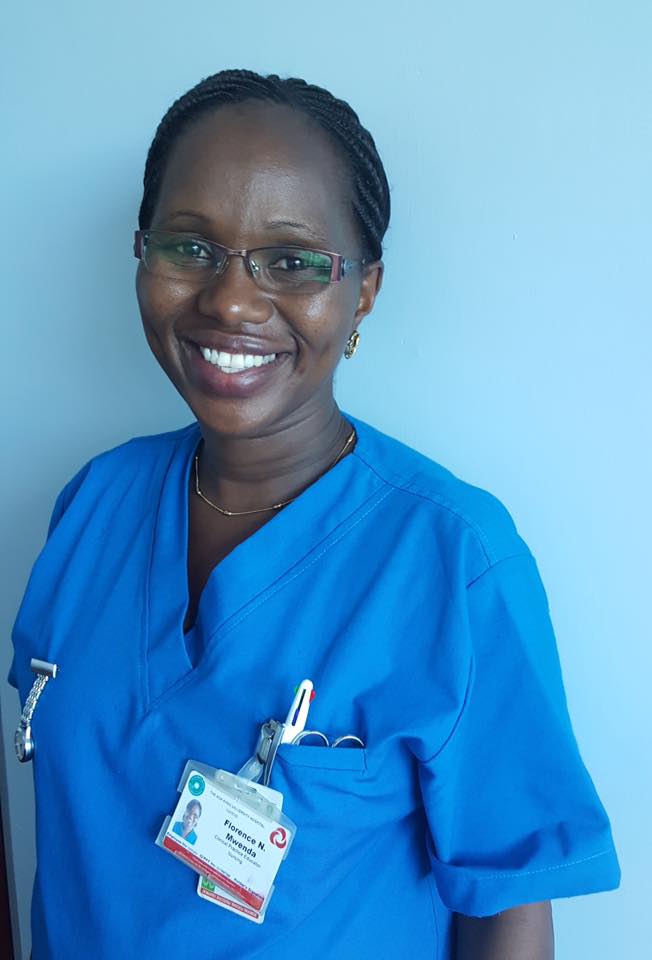
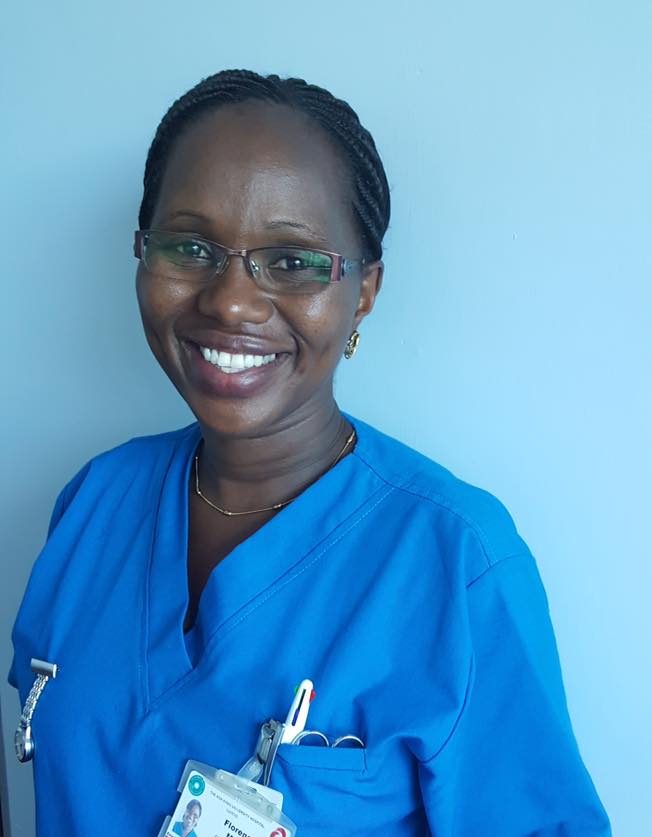
When Florence Nkatha Thiaine was in Std 3 she started accompanying her oldest sister during her work on Sundays. Her sister was a nun and her work was delivering care and treatment to people who had basic medical needs. In her rural home of Tuuru in Meru county people had to walk long distances to receive medical attention at the mission site where the sisters were and they were grateful for any support they would receive. One Sunday Florence recalls watching her sister dress burn wounds for an old lady who was in deep and visible pain. The woman's agony left an indelible mark on Florence who felt that more could have been done to ease the pain she had witnessed. She decided at that point that when she grew up she would find a way to treat people through nursing care.
Little did she know it would not be an easy road. Although she was clear that she wanted to be a nurse when she grew up, her strong willed father had other plans for her. He felt she should be a teacher and after completing secondary school she was made to apply for teacher training. She tried to share that it wasn't the path for her but like in many Kenyan families, her parents view on her career overruled hers. Her future soon became a battle of wills in the household. Florence was the fifth of ten children and her dad was keen that one of them should become a teacher like him and the first four hadn't complied so now it was up to Florence. Though she was accepted into teacher training she refused to go for registration.
One, then two then three years passed as the war of wills raged. She was determined to become a nurse but her dad was dead set against it telling her he could give her a piece of land to farm if she decided that teaching wasn't for her. During the third year she secretly applied to two nursing schools and was accepted at both. When the acceptance letter came from Nkubu Nursing School she presented it for consideration but the answer came back loud and clear - No! A few weeks later she received another acceptance this time from Consolata Nursing School in Nyeri. In tears she begged her uncle to intervene and pay her fees so she could pursue her dream. He agreed to step into the family impasse and diplomatically he convinced her father to pay the fees. Three and half years later Florence was the proud holder of a diploma in nursing. Now it was onto the next battle - to move to Nairobi.
Once again her dad was against the idea - Nairobi was not the place for young single women but by now Florence had figured out how to get her way. She pleaded to go for a short visit to see her brother who was working in the city and once she got there immediately started tarmacking with other fellow Consolata grads. Lady Luck was smiling down on her as during their first week looking for work she got a nursing position at Coptic hospital. Her father was pleasantly surprised at her success at finding a job so quickly and couldn't argue with the fact that she was now bringing home a paycheque. Finally, the tension eased. After a year on the job, she put in an application at Aga Khan hospital and got a short term contract which turned into a full time position later that year.
Twelve years later Florence is living her dream as a registered nurse with a senior position as a clinical educator in the surgical ward still at Aga Khan. In a twist of life she finally fulfilled her fathers' dream of being a teacher. She has furthered her education in nursing but most importantly, each day she is keeping the promise to her nine year old self - helping people with their pain and putting them on the road to recovery. She is a testimony to staying focused in the pursuit of a calling, even in the face of difficulty and delays. Truly Florence is the embodiment of the Kenyan spirit that doesn't give up!
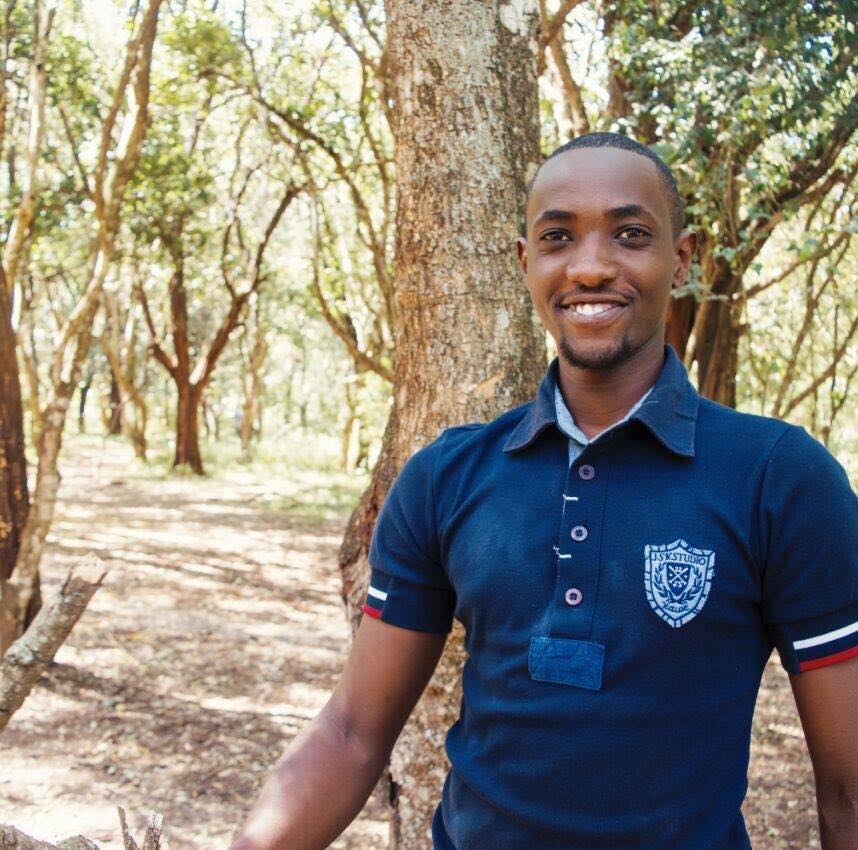
Can You Help Me Speak Digital?
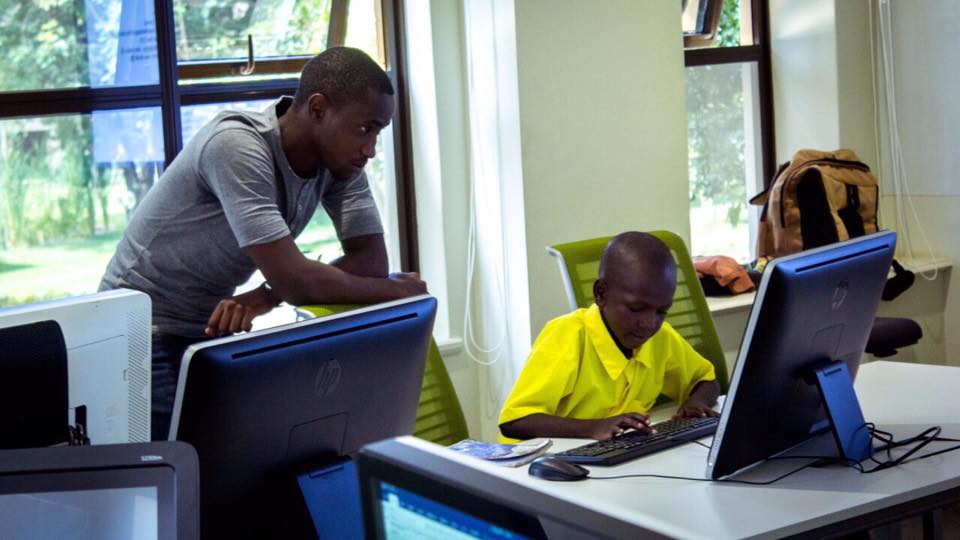
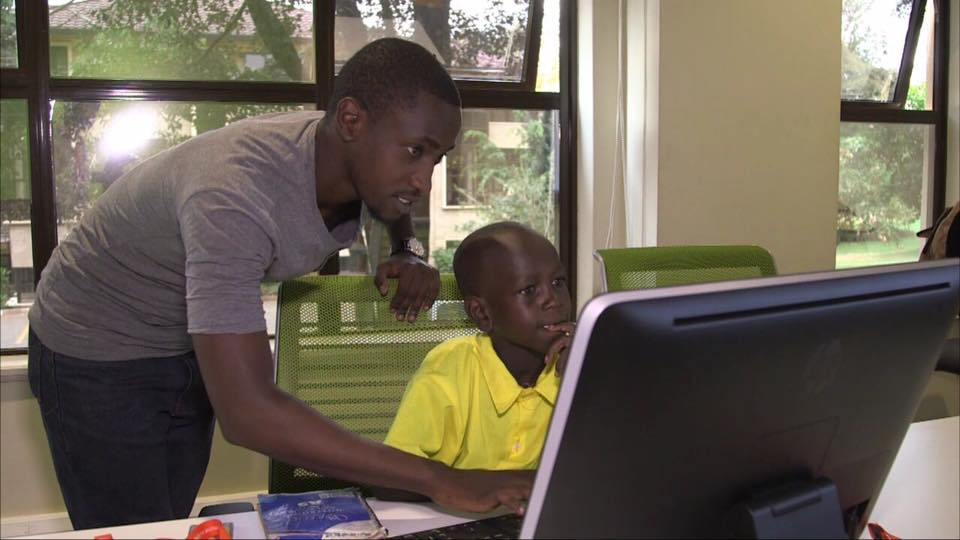
On first reflection Kevin Muriuki doesn't consider himself a teacher - rather he introduces himself as an IT specialist. But life has a funny way of drawing you into the unknown dreams of our heart. Kevin Muriuki teaches code to kids. More specifically - kids who have never seen or interacted with a computer.
His unlikely path came when he volunteered for a one day camp to teach kids at YMCA primary in Kibera. The day was fascinating - seeing awakening unfold in the eyes of the children he was teaching that day amazed Kevin. He was hooked. When another call came to volunteer in Murang'a for another coding camp he signed up without hesitation - this time it was a camp of a few days and he came back been even more energized. Teaching kids who had never seen a computer to click a mouse, open a folder, understand how words are generated on a screen was a like watching a flower bloom in acceleration.
Soon Kevin transitioned from the freelance work he was doing to focus full time on driving curriculum and learning development for Kids Comp Camp.an initiative that teaches under served children the most important language they need to know - digital. Kevin's approach to teaching is simple but genius - let the children problem solve their way across the keyboard, don't spoon feed them otherwise learning doesn't stick. Observing him working with groups of kids from Mathare's Malezi centre, one can see why his approach works. The kids start off focused with furrowed brows as they laboriously toggle with CTRL+ ALT and other commands on their keyboards. But when they successfully complete the step, bright smiles emerge that lights up their eyes. The kind of look that doesn't come from being told what to do but that comes from personal accomplishment. Kevin's approach is founded on teaching kids how to ask questions and then allowing them to learn from the questions they ask.
Kevin has been with Kids Comp Camp since 2016 and the goal of the programme is to reach 20,000 kids by 2020. So far over 6000 kids have been taught through the initiative in ten counties, mainly by volunteers - people who are eager to infuse computer learning as a way of life. For Kevin his future is clear - creating content that will last for a long time, infusing understanding of basic computing and opening up the worlds of coding and computational thinking as a window to a whole new world. That is what brings meaning to his days. Kids Comp Camp continues to work with kids from all over Kenya during school holidays and through after school programmes.
We applaud Teacher Kevin for stepping into an unexpected role and unlocking the language of the future to the citizens of tomorrow.
Loving the Unloved

For fifteen years Jane Wathome has been pursuing a vision – to bring love to the unloved. It started out simply when she graduated from Bible School but felt that being a pastor didn’t quite feel like the right fit. She had spent the decade prior to returning to school as a stay-at-home mother content with raising her three children, but now deeply felt a calling to serve. The year was 2001 and her restlessness found her doing the most unlikely things – seeking out and offering to help women and children in Nairobi’s informal settlements, talking passionately with friends about providing meals and medicines and clothes to the families she was encountering and even using her husbands’ old Mercedes to ferry women from Kware slums to various hospitals around Nairobi.
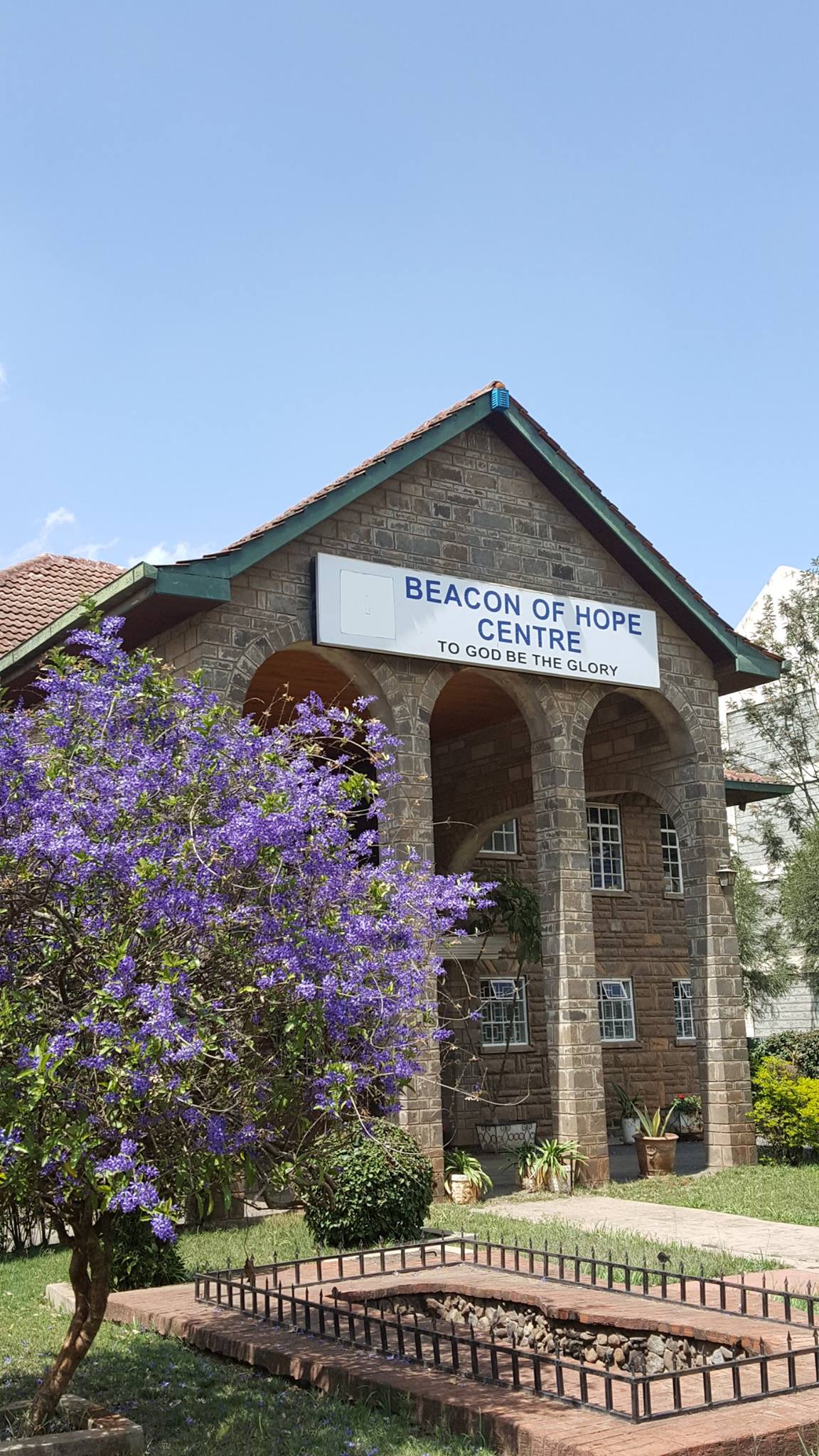
Jane had found her calling in serving women infected with HIV and families affected by the disease. This was a time when HIV was considered a death sentence and people would literally rather die before admitting they had “the big disease with a little name”. With all the misinformation and stigma surrounding HIV and AIDS at that time, people were often afraid to shake hands with, share utensils or living spaces with patients and many women found themselves on the street, thrown out by husbands or family members. Jane however embraced as many as she could even though some of her own friends couldn’t bring themselves to understand her desire to work with HIV patients. Jane’s own turning point came when she went to visit one of the women she was supporting at Mbagathi hospital only to find that no one had attended to her – neither nurses or family and so had to help the lady use the bathroom(bucket by her bedside) and then had to bathe her. The lady died the following day, grateful for the dignity of a bath and a clean bed. She realised at that point it was all or nothing – and she went all in by setting up Beacon of Hope, an organisation whose mission became serving those who were most unloved by society.
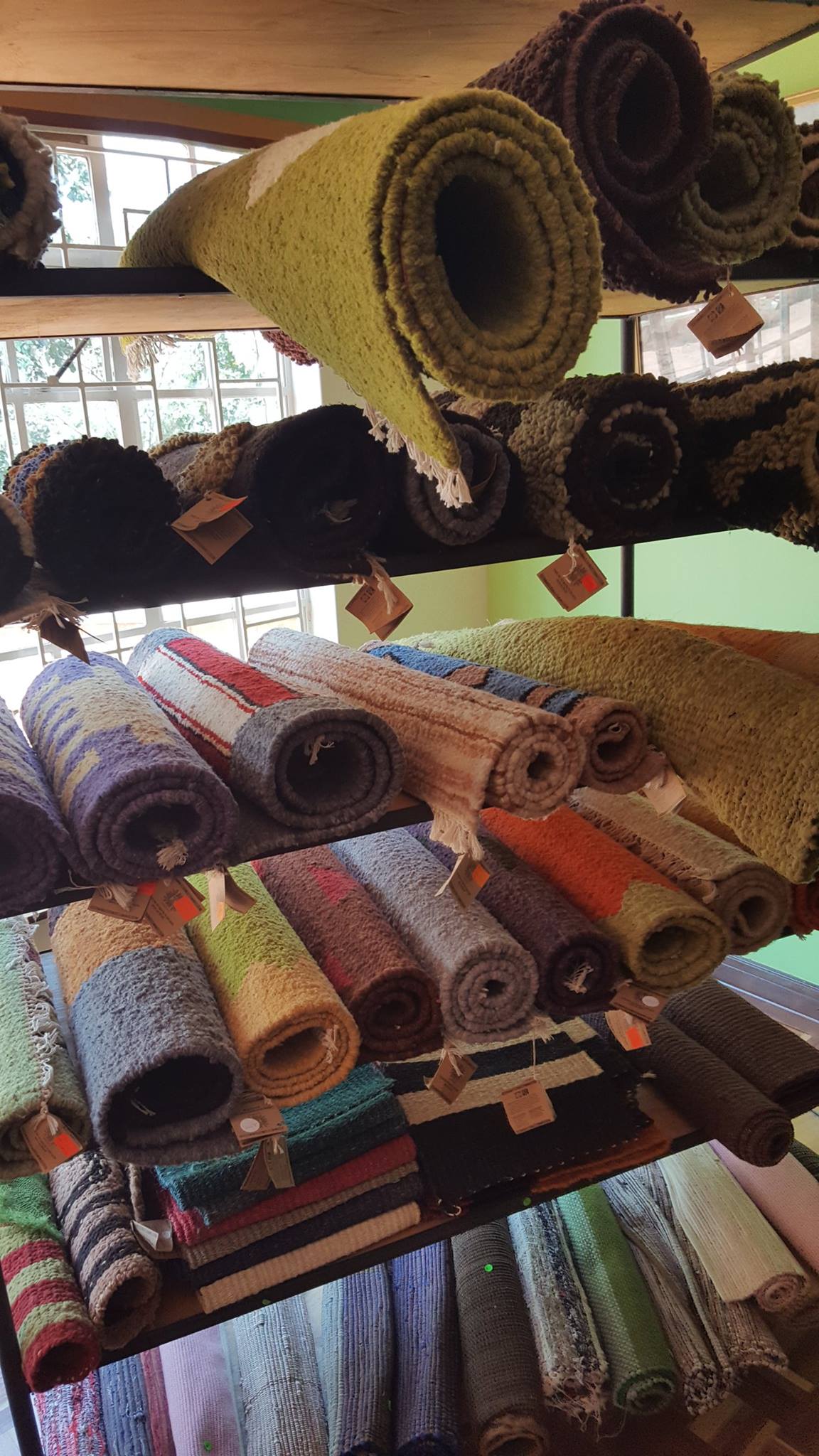
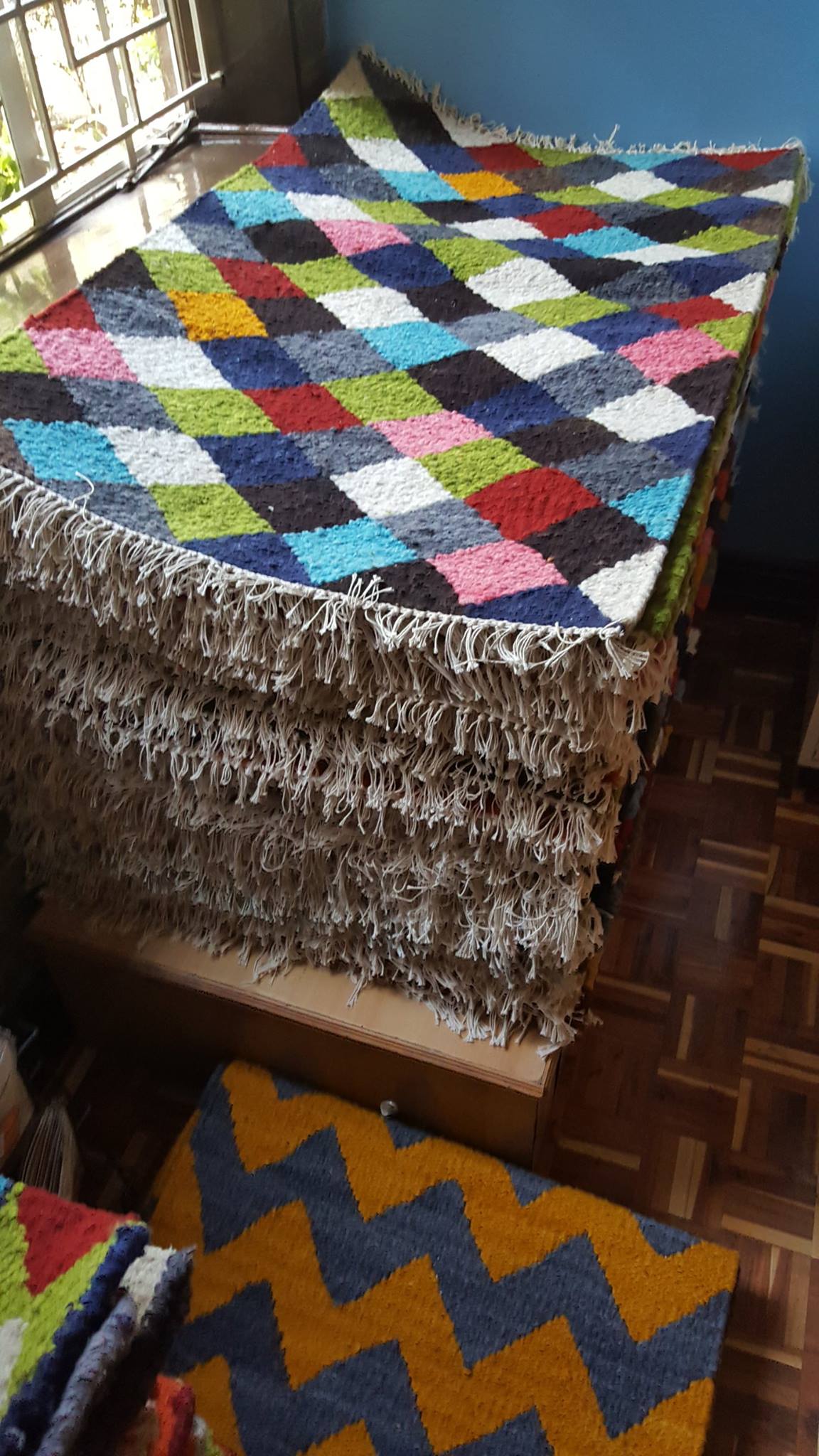
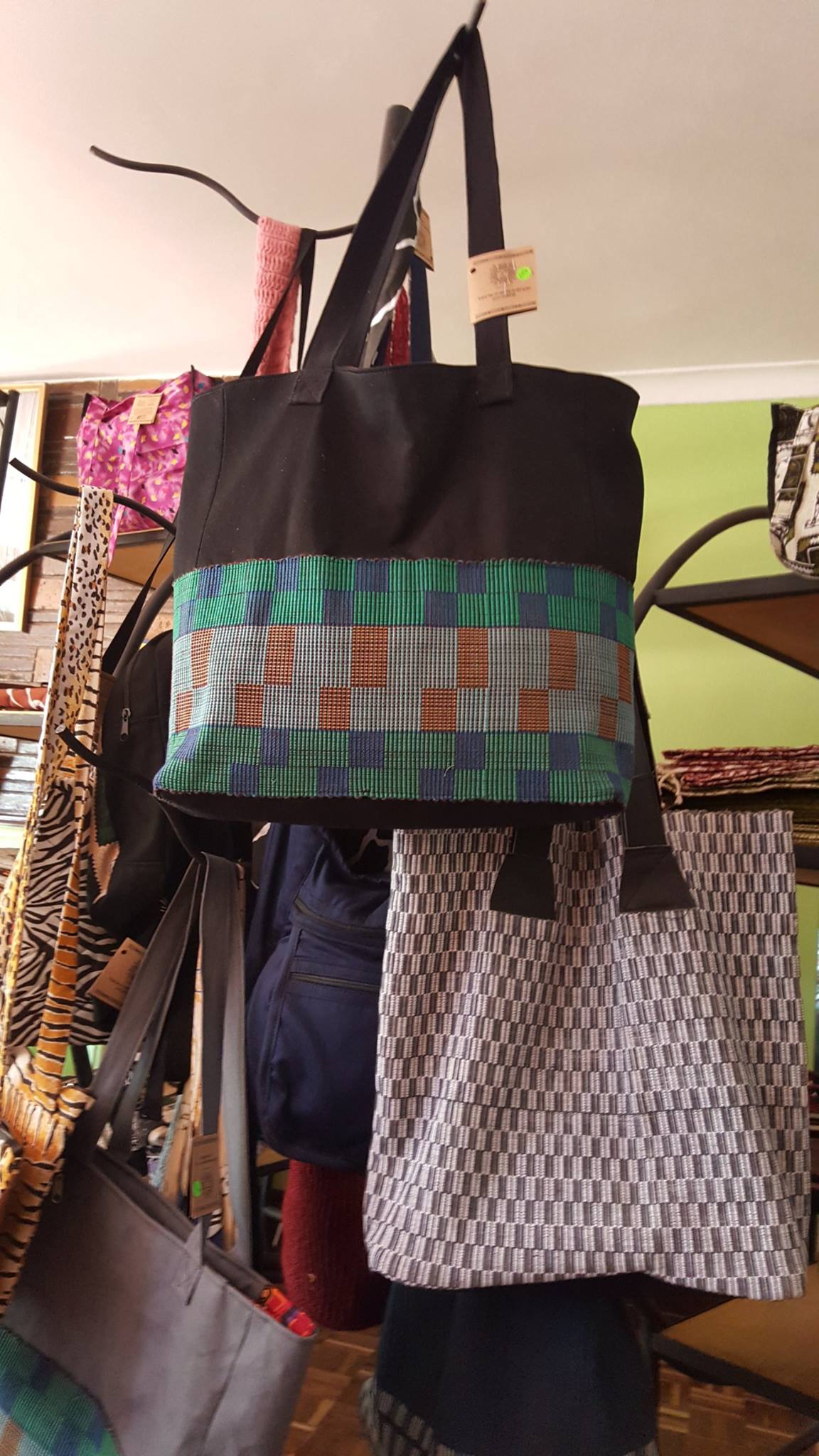
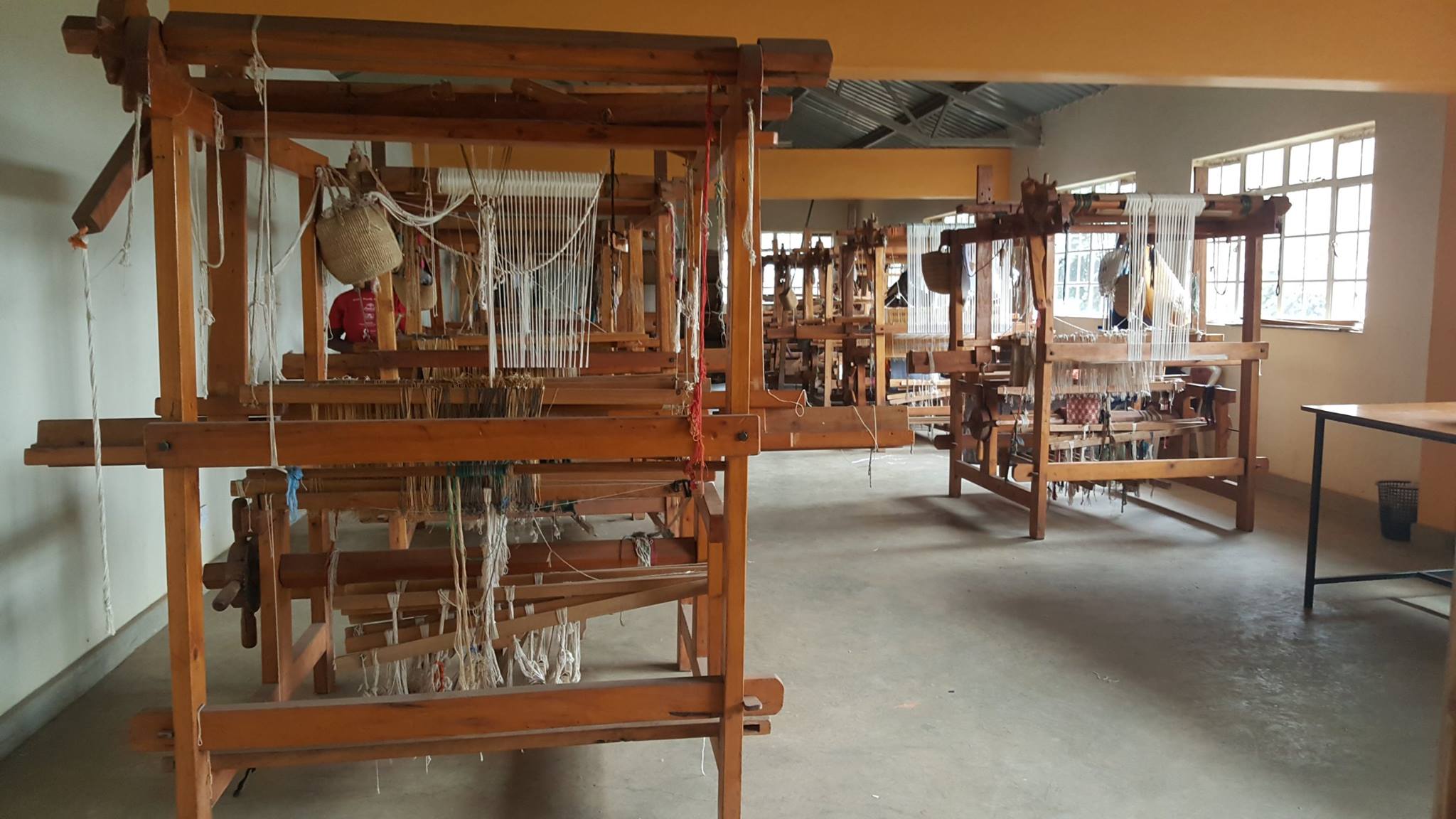
Setting up an organisation hadn’t been her intention, all that she knew was that she wanted to serve, but it became apparent in time that feeding the women wasn’t enough – income was what they needed so as to be able to make their own decisions and confidently chart their own paths. When she asked the women what would be most useful for them they said they wanted to learn how to weave and sell mkeka. So she got in touch with an acquaintance who ran a weaving workshop to come and teach the first 25 women to weave carpets. The first outputs were somewhat disastrous, but friends from her church bought the goods to support Jane’s work. In time the quality improved and they began selling at markets, fairs and even sending some overseas. Anybody who casually mentioned to Jane they were going to America was roped into carrying a Ghana Must Go bag full of woven products to sell through their contacts there. Some of the initial 25 women eventually went off to start their own businesses but many stayed and eventually Beacon of Hope opened a retail outlet at Prestige Plaza along Ngong Road in Nairobi. As many of the women used to come with their children for their training sessions, soon a small kindergarten class was started to keep the kids engaged. All of these activities would take place in a small two floor building on the outskirts of Ongata Rongai called Mongo House. With its uneven stairs, cramped rooms and leaking roof it wasn’t much, but it was all Jane could afford. In time though, the needs from the community for more services required more space than the overcrowded Mongo House could provide and the search for some land to put up a facility soon started. Through the support of several well-wishers and Jane’s own family savings an eight-acre plot was purchased in 2006 and Beacon of Hope had a permanent home. From these humble beginnings the organisation has served over 16,000 women and children in Ongata Rongai and Kibera. They run a full-service clinic and maternity centre, a kindergarten and primary school, a vocational college and several economic empowerment initiatives. Beacon staff laud Jane for keeping to her vision of service to the community and many emulate the example that she has quietly set – showing that one woman can indeed change the life of thousands, with a strong dose determination and a lot of faith!
Paukwa applauds Jane Wathome for being a true beacon of hope!
Doris Mayoli
Cancer. The disease that Doris Mayoli and Twakutukuza Trust have dedicated their existence to battling.
