
The story of the Ostrich
#KeWildlife – Story 19

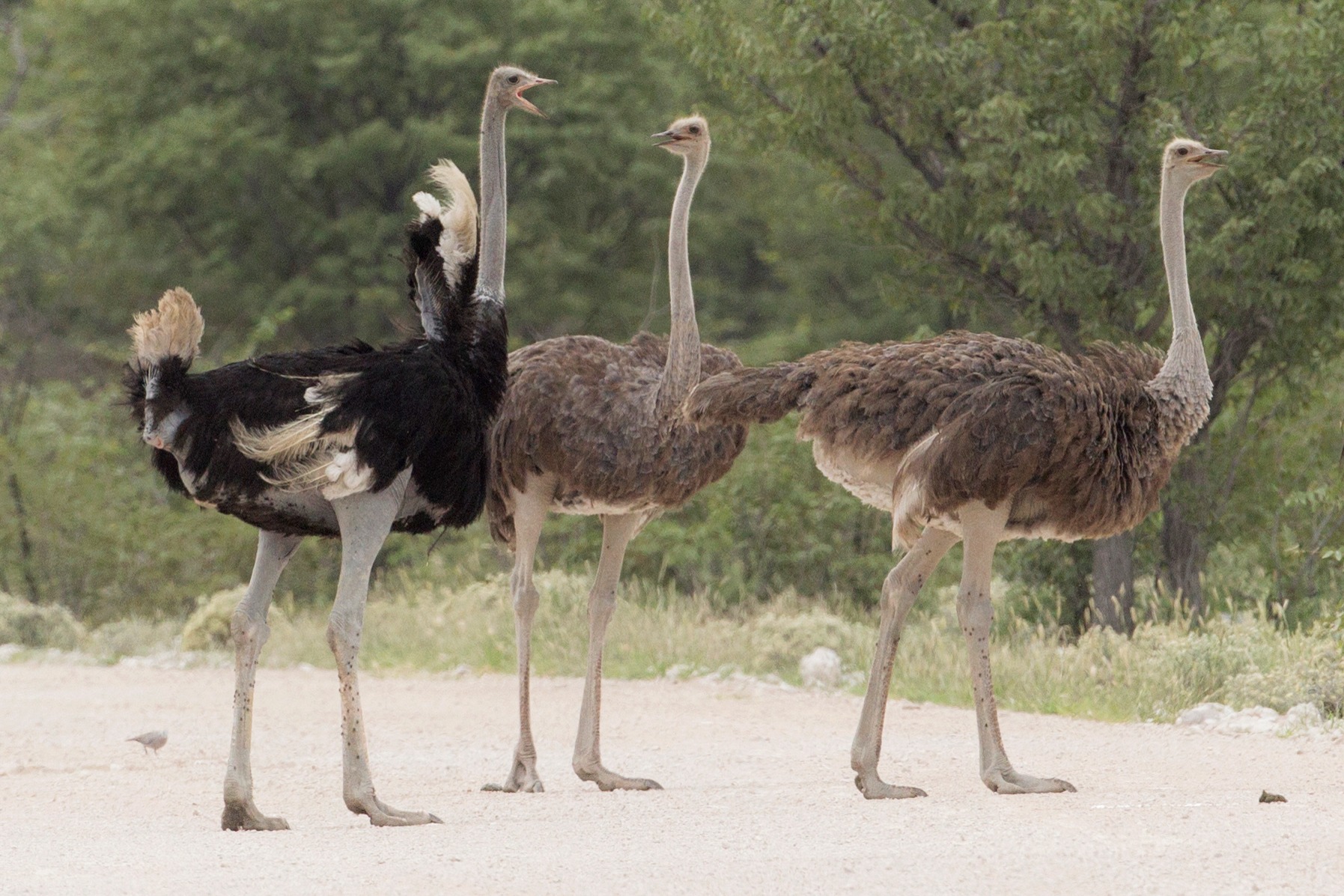
Did you know that there’s a significant difference between a male and female ostrich? The male ostrich is taller and boasts black feathers with an outer strip of white and is referred to as a rooster, while the female ostrich has a dull brown coat and is referred to as a hen.
Gender names aside, these birds are synonymous with the definition of large: their big bodies, large eyes and even large eggs. Perhaps the most awe-striking feature would be their appearance. They have crowned themselves as the land animal species with the largest eyes; each eye is at least 5cm.
An ostrich diet shows the diversity in what birds eat. They are known to devour rodents as well as locusts and lizards, but they are also known for their love of plants and roots. At the very least they can be described as omnivores.
The most interesting aspect of these birds is their mating habits. Usually a male ostrich will bow and flap its wings outward to display its plumage. This is done to get the female’s attention. When the rooster is ready to mate, its beak and sheens will turn bright red, and sometimes, his neck will change into the same shade of red. Hens on the other hand are able to change their feather colour to a shade of silver. When the eggs are laid, they are placed in a communal nest that can hold up to 60 eggs at one time. Both male and female ostriches can sit on the eggs until they hatch, they take responsibility in taking care of the eggs. The hatching period takes, on average, 40 days. By six months, the chick is almost at its full grown height, and at 4 years it will have reached maturity. Ostrich chicks are larger than any other birds; at birth, they can be as big as full grown chicken
Of note is that an ostrich can live a long life from between 50 and 75 years, and in this time they can maintain their running speed of about 70kph.
Domesticated ostriches can be found in plenty at The Maasai Ostrich Farm in Kitengela that was founded in 1991. Here visitors have the opportunity to observe and, for the daring ones, ride these large bird species.

The story of the Flamingo
#KeWildlife – Story 16
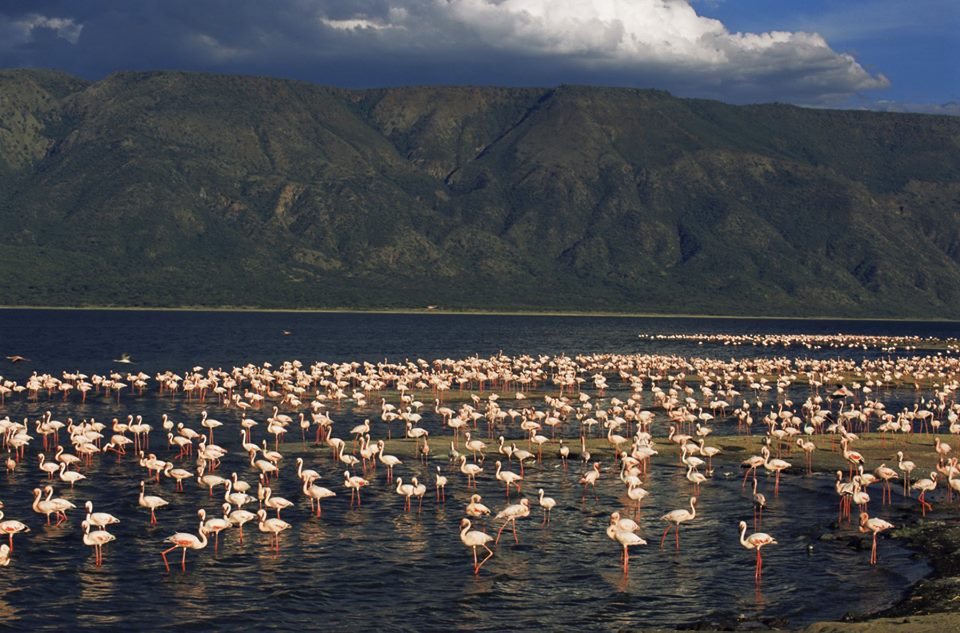
There are certain places that are known for something special, and Lake Nakuru is one of them. Its hard to think of the lake without the iconic pink birds that are synonymous with it. Flamingoes or more specifically the Lesser Flamingo whose claim to fame is that they are the most numerous type of flamingoes in the world are beautiful birds that are spread across the Rift Valley and can be found as far away as India. But our region holds a certain magicfor this long legged creature - Lake Natron and Lake Magadi are the primary breeding grounds for these important birds and without the lakes….no flamingoes.
But back to Lake Nakuru. Did you know a couple of years ago the lake started expanding? Somehow this expansion from underground sources upset the delicate balance of the water ecosystem resulting in less algae available for the daily consumption of the thouands of birds living there. And so a massive migration of the lake’s iconic birds to Lake Bogoria, a little further north in the great Rift Valley took place. So now if you want to witness the glory of a million flamingoes gliding over the lake or creating a massive pink cluster covering blue water the hot waters of Lake Bogoria is the place to do so!
One last thing before we go – did you ever wonder where the flamingo gets its beautiful pink hues from? Interestingly, when it hatches it’s a bluish grey in colour. However from the time it starts feeding on life-giving algae a transformation begins. Eating algae which are full of carotenoids, infuse our flamingo friends with their distinct colour as they grow. Who would have thought excess consumption of algae would be colourful for your health?!