Chasing the Calling of My Heart
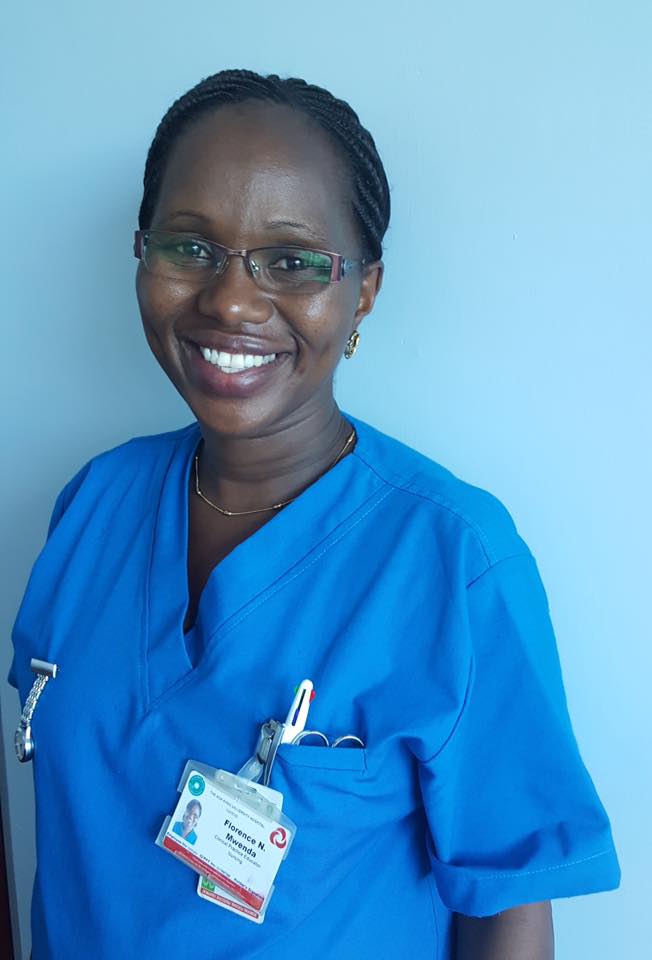
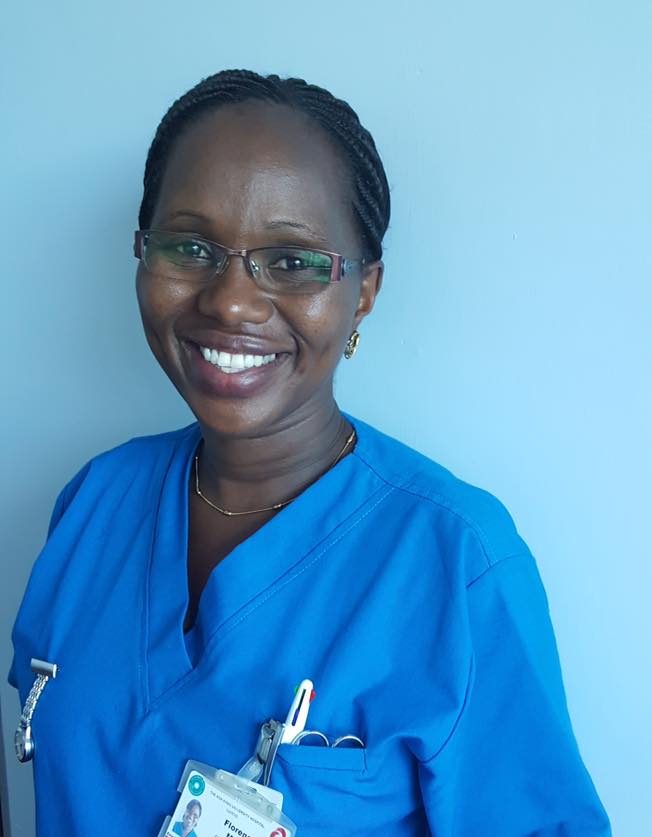
When Florence Nkatha Thiaine was in Std 3 she started accompanying her oldest sister during her work on Sundays. Her sister was a nun and her work was delivering care and treatment to people who had basic medical needs. In her rural home of Tuuru in Meru county people had to walk long distances to receive medical attention at the mission site where the sisters were and they were grateful for any support they would receive. One Sunday Florence recalls watching her sister dress burn wounds for an old lady who was in deep and visible pain. The woman's agony left an indelible mark on Florence who felt that more could have been done to ease the pain she had witnessed. She decided at that point that when she grew up she would find a way to treat people through nursing care.
Little did she know it would not be an easy road. Although she was clear that she wanted to be a nurse when she grew up, her strong willed father had other plans for her. He felt she should be a teacher and after completing secondary school she was made to apply for teacher training. She tried to share that it wasn't the path for her but like in many Kenyan families, her parents view on her career overruled hers. Her future soon became a battle of wills in the household. Florence was the fifth of ten children and her dad was keen that one of them should become a teacher like him and the first four hadn't complied so now it was up to Florence. Though she was accepted into teacher training she refused to go for registration.
One, then two then three years passed as the war of wills raged. She was determined to become a nurse but her dad was dead set against it telling her he could give her a piece of land to farm if she decided that teaching wasn't for her. During the third year she secretly applied to two nursing schools and was accepted at both. When the acceptance letter came from Nkubu Nursing School she presented it for consideration but the answer came back loud and clear - No! A few weeks later she received another acceptance this time from Consolata Nursing School in Nyeri. In tears she begged her uncle to intervene and pay her fees so she could pursue her dream. He agreed to step into the family impasse and diplomatically he convinced her father to pay the fees. Three and half years later Florence was the proud holder of a diploma in nursing. Now it was onto the next battle - to move to Nairobi.
Once again her dad was against the idea - Nairobi was not the place for young single women but by now Florence had figured out how to get her way. She pleaded to go for a short visit to see her brother who was working in the city and once she got there immediately started tarmacking with other fellow Consolata grads. Lady Luck was smiling down on her as during their first week looking for work she got a nursing position at Coptic hospital. Her father was pleasantly surprised at her success at finding a job so quickly and couldn't argue with the fact that she was now bringing home a paycheque. Finally, the tension eased. After a year on the job, she put in an application at Aga Khan hospital and got a short term contract which turned into a full time position later that year.
Twelve years later Florence is living her dream as a registered nurse with a senior position as a clinical educator in the surgical ward still at Aga Khan. In a twist of life she finally fulfilled her fathers' dream of being a teacher. She has furthered her education in nursing but most importantly, each day she is keeping the promise to her nine year old self - helping people with their pain and putting them on the road to recovery. She is a testimony to staying focused in the pursuit of a calling, even in the face of difficulty and delays. Truly Florence is the embodiment of the Kenyan spirit that doesn't give up!

Can You Help Me Speak Digital?
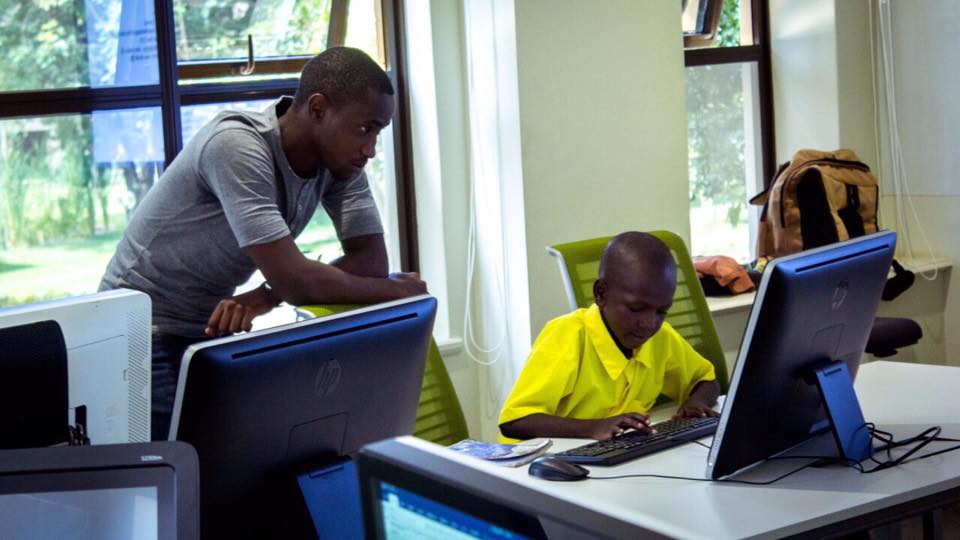
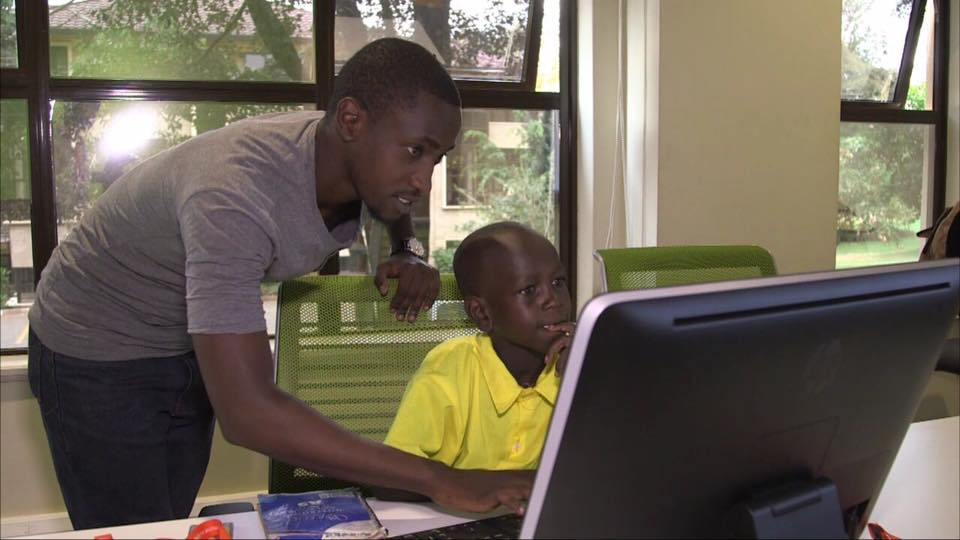
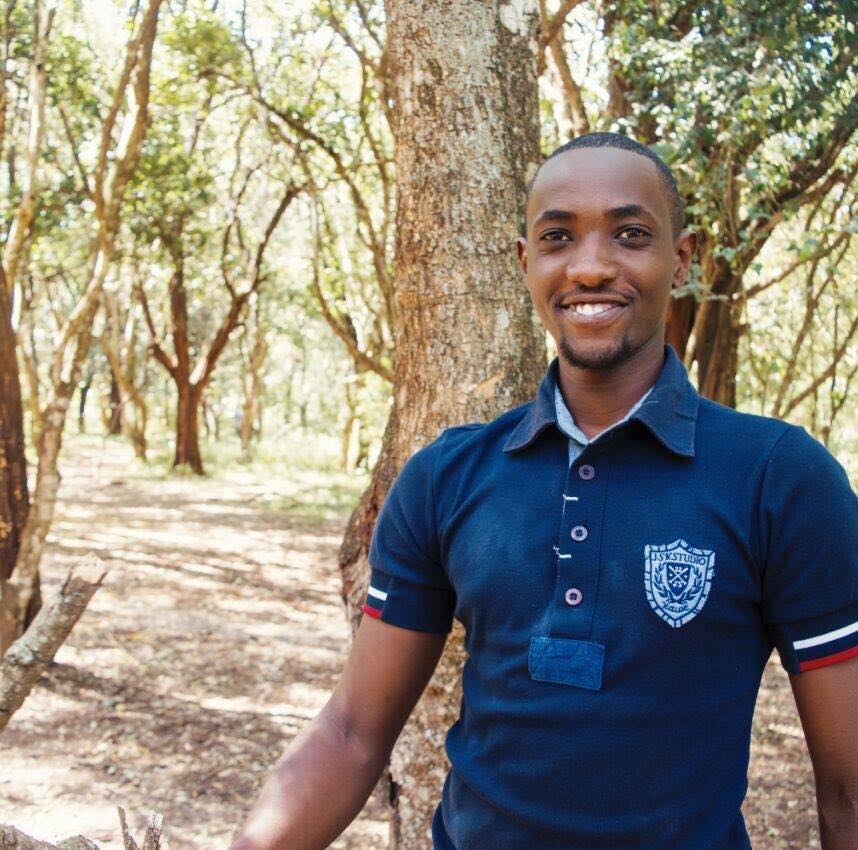
On first reflection Kevin Muriuki doesn't consider himself a teacher - rather he introduces himself as an IT specialist. But life has a funny way of drawing you into the unknown dreams of our heart. Kevin Muriuki teaches code to kids. More specifically - kids who have never seen or interacted with a computer.
His unlikely path came when he volunteered for a one day camp to teach kids at YMCA primary in Kibera. The day was fascinating - seeing awakening unfold in the eyes of the children he was teaching that day amazed Kevin. He was hooked. When another call came to volunteer in Murang'a for another coding camp he signed up without hesitation - this time it was a camp of a few days and he came back been even more energized. Teaching kids who had never seen a computer to click a mouse, open a folder, understand how words are generated on a screen was a like watching a flower bloom in acceleration.
Soon Kevin transitioned from the freelance work he was doing to focus full time on driving curriculum and learning development for Kids Comp Camp.an initiative that teaches under served children the most important language they need to know - digital. Kevin's approach to teaching is simple but genius - let the children problem solve their way across the keyboard, don't spoon feed them otherwise learning doesn't stick. Observing him working with groups of kids from Mathare's Malezi centre, one can see why his approach works. The kids start off focused with furrowed brows as they laboriously toggle with CTRL+ ALT and other commands on their keyboards. But when they successfully complete the step, bright smiles emerge that lights up their eyes. The kind of look that doesn't come from being told what to do but that comes from personal accomplishment. Kevin's approach is founded on teaching kids how to ask questions and then allowing them to learn from the questions they ask.
Kevin has been with Kids Comp Camp since 2016 and the goal of the programme is to reach 20,000 kids by 2020. So far over 6000 kids have been taught through the initiative in ten counties, mainly by volunteers - people who are eager to infuse computer learning as a way of life. For Kevin his future is clear - creating content that will last for a long time, infusing understanding of basic computing and opening up the worlds of coding and computational thinking as a window to a whole new world. That is what brings meaning to his days. Kids Comp Camp continues to work with kids from all over Kenya during school holidays and through after school programmes.
We applaud Teacher Kevin for stepping into an unexpected role and unlocking the language of the future to the citizens of tomorrow.
Loving the Unloved
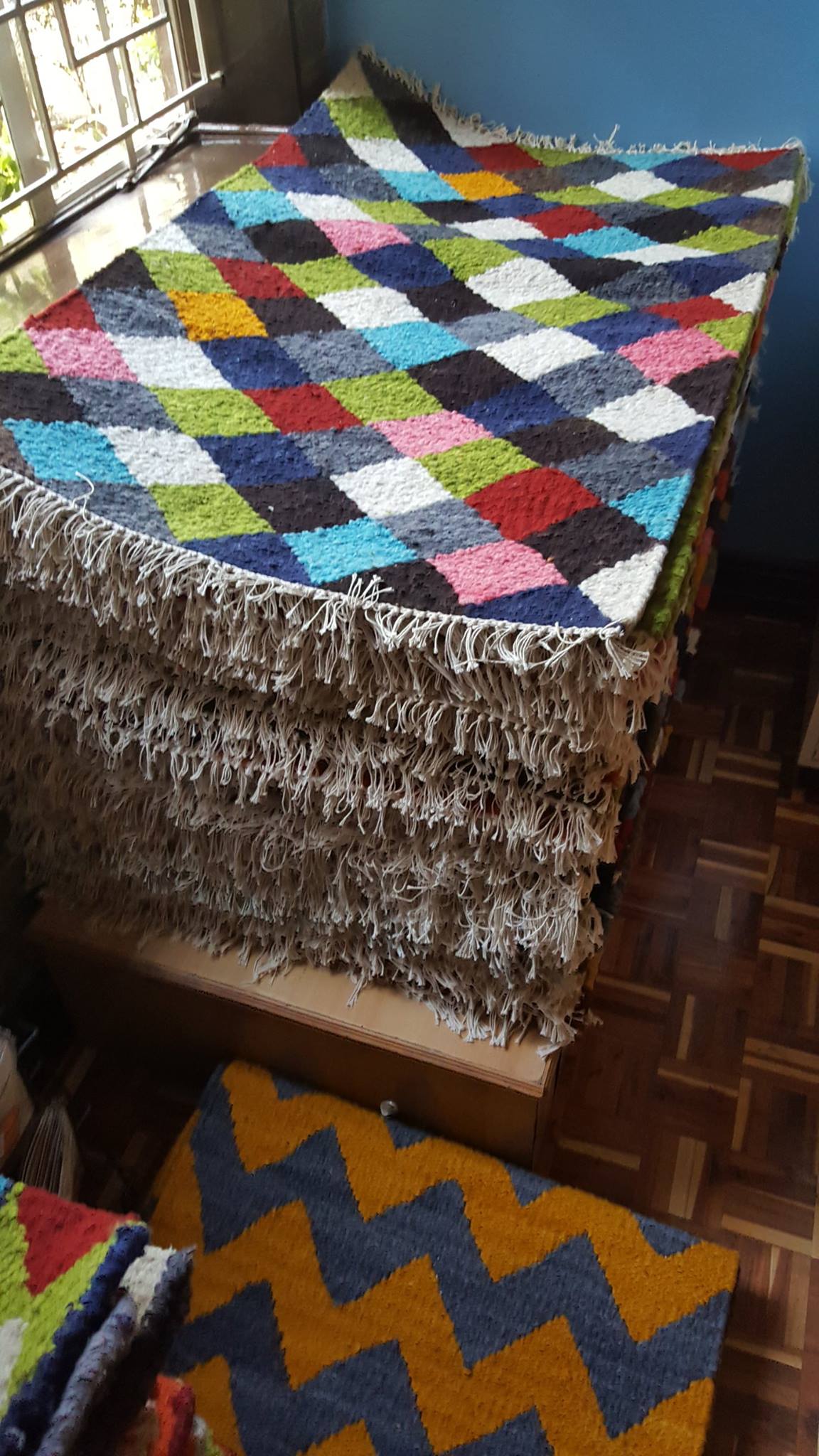
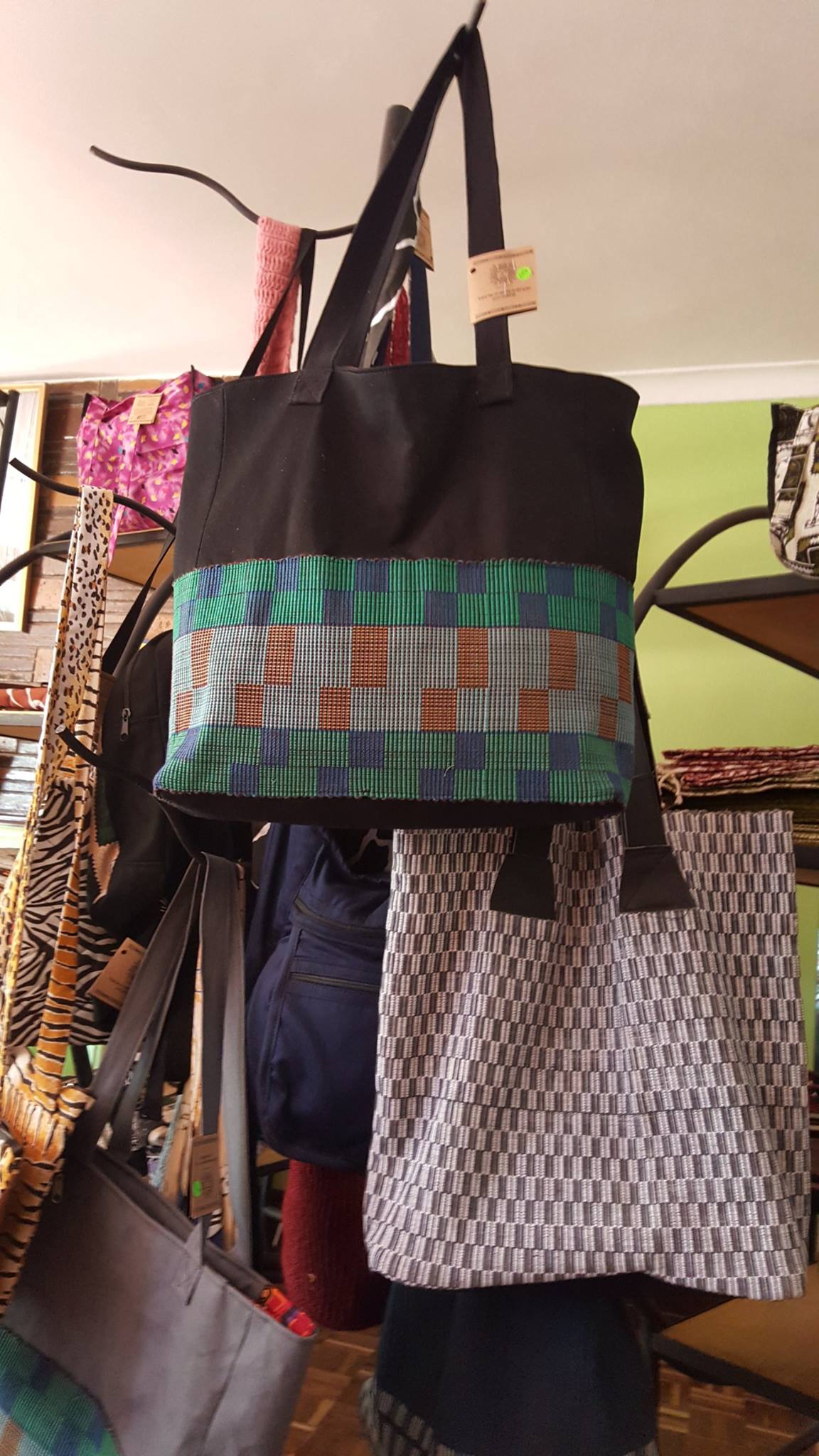
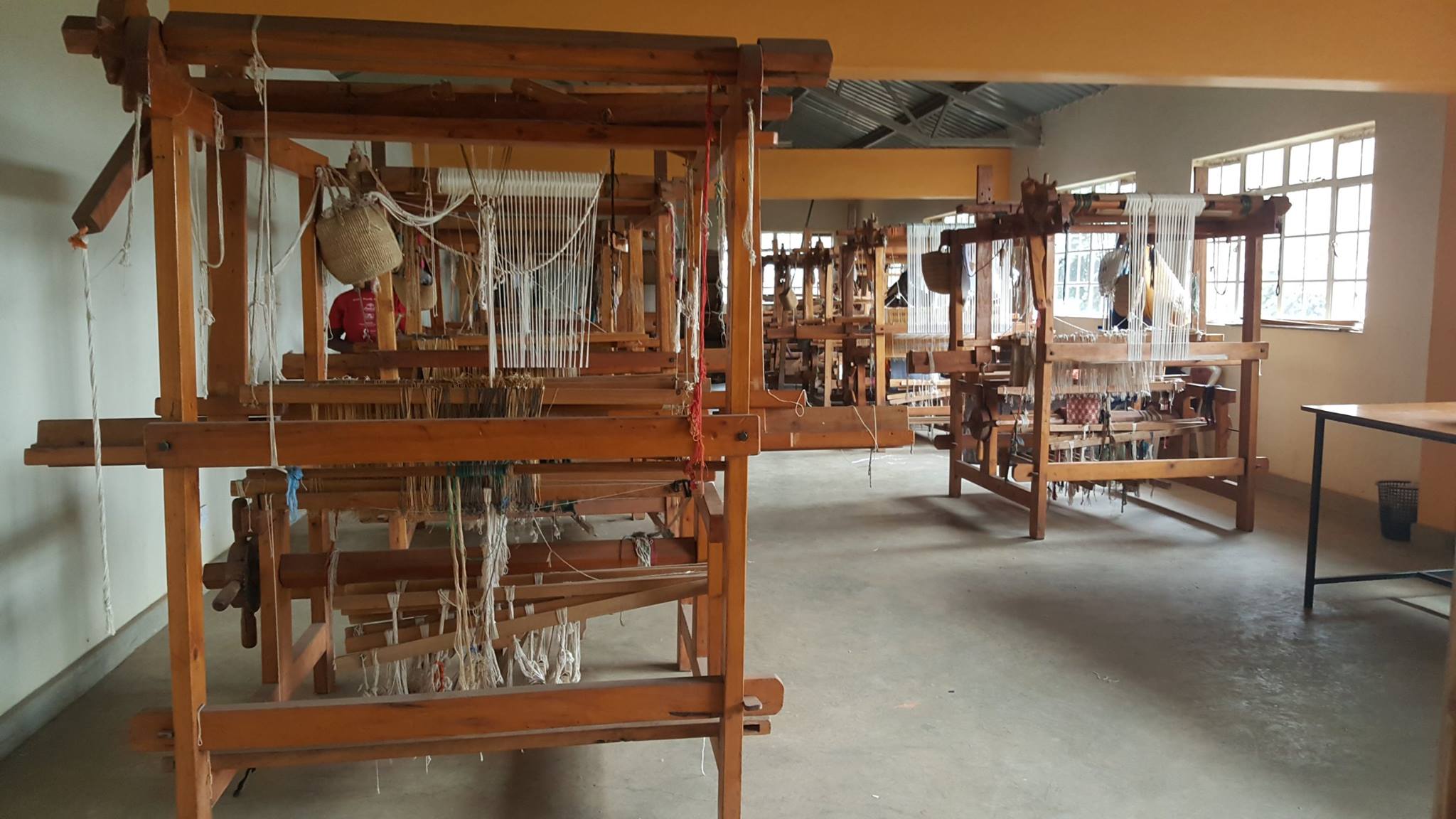
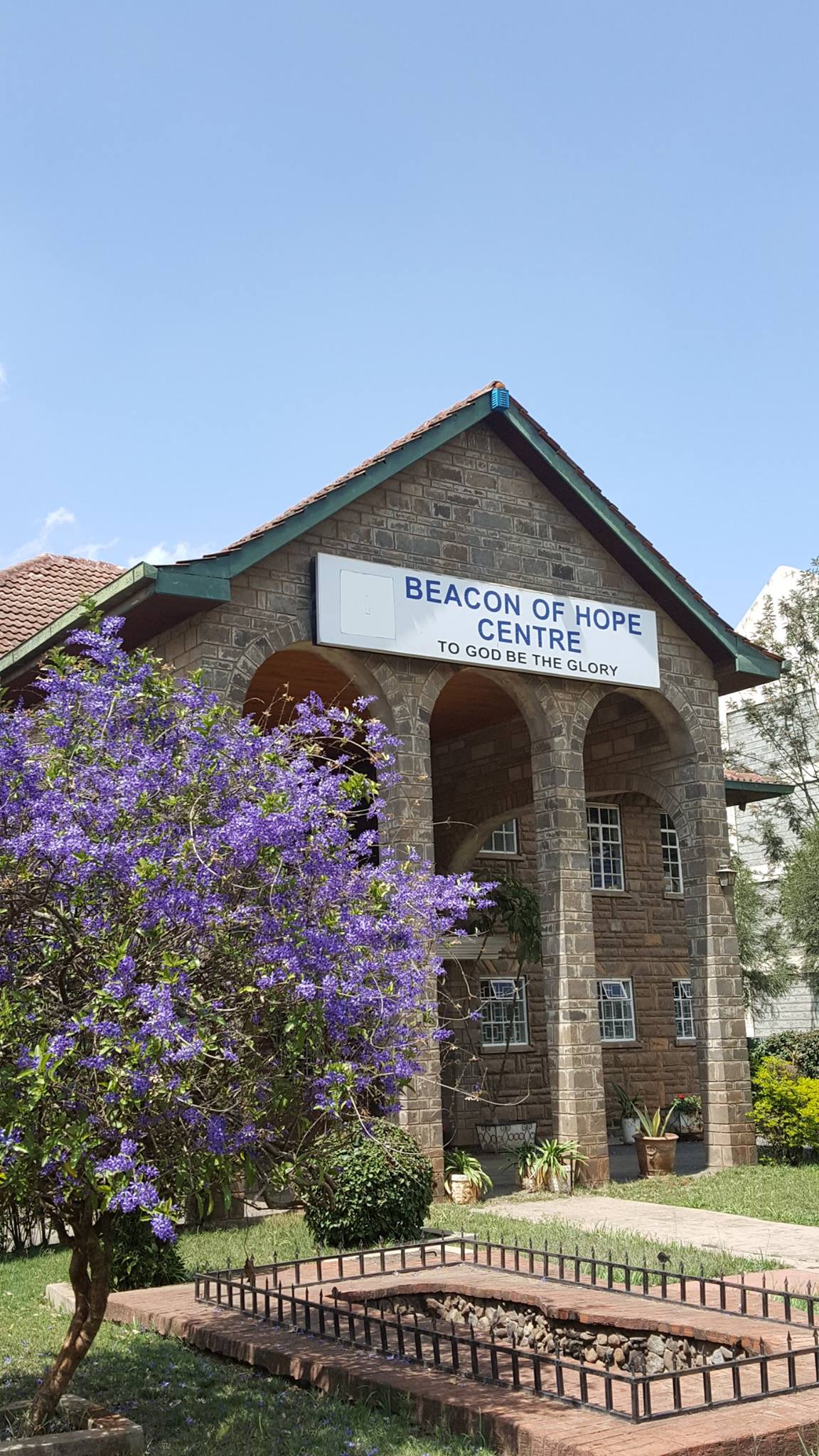

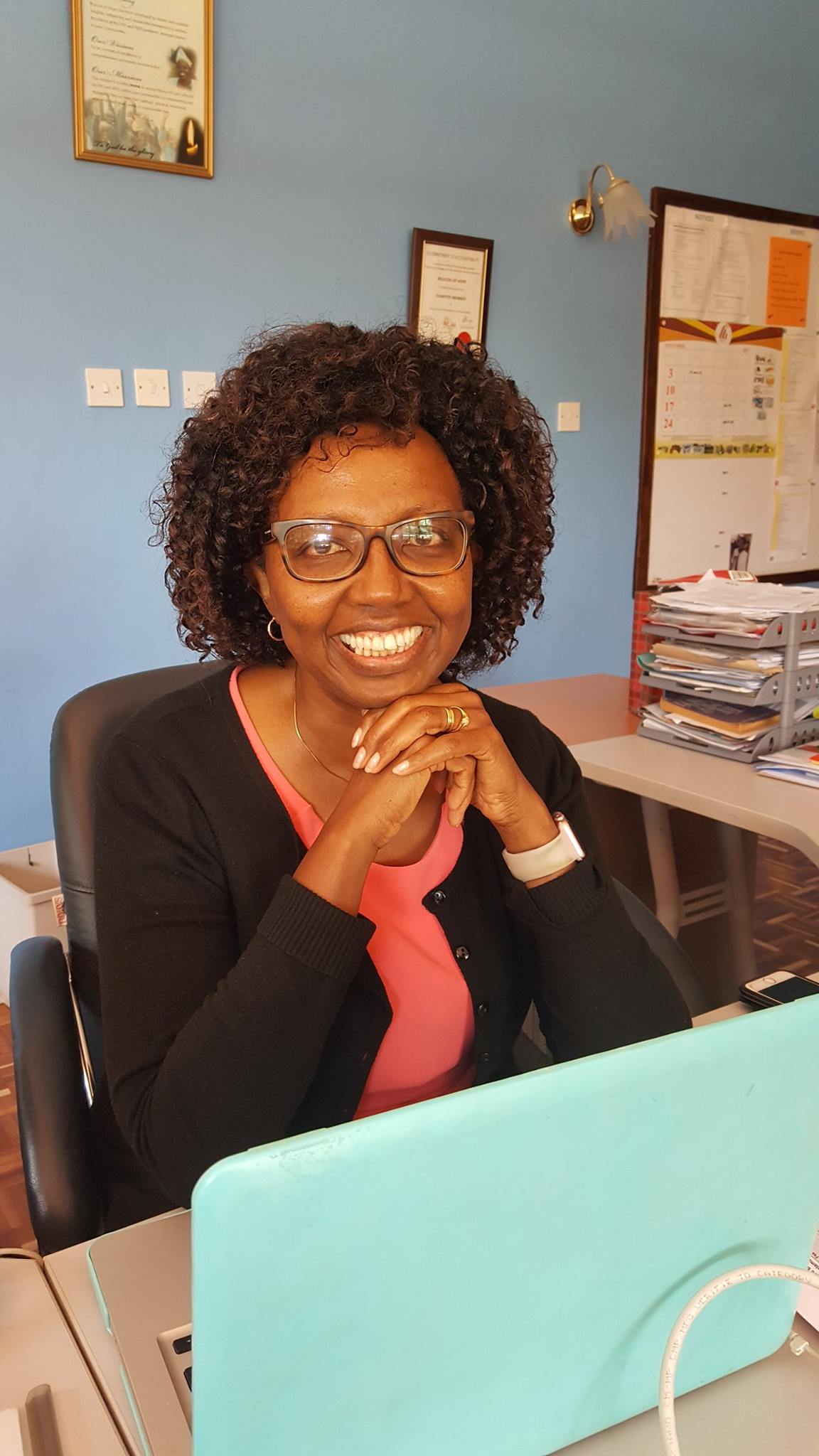
For fifteen years Jane Wathome has been pursuing a vision – to bring love to the unloved. It started out simply when she graduated from Bible School but felt that being a pastor didn’t quite feel like the right fit. She had spent the decade prior to returning to school as a stay-at-home mother content with raising her three children, but now deeply felt a calling to serve. The year was 2001 and her restlessness found her doing the most unlikely things – seeking out and offering to help women and children in Nairobi’s informal settlements, talking passionately with friends about providing meals and medicines and clothes to the families she was encountering and even using her husbands’ old Mercedes to ferry women from Kware slums to various hospitals around Nairobi.
Jane had found her calling in serving women infected with HIV and families affected by the disease. This was a time when HIV was considered a death sentence and people would literally rather die before admitting they had “the big disease with a little name”. With all the misinformation and stigma surrounding HIV and AIDS at that time, people were often afraid to shake hands with, share utensils or living spaces with patients and many women found themselves on the street, thrown out by husbands or family members. Jane however embraced as many as she could even though some of her own friends couldn’t bring themselves to understand her desire to work with HIV patients. Jane’s own turning point came when she went to visit one of the women she was supporting at Mbagathi hospital only to find that no one had attended to her – neither nurses or family and so had to help the lady use the bathroom(bucket by her bedside) and then had to bathe her. The lady died the following day, grateful for the dignity of a bath and a clean bed. She realised at that point it was all or nothing – and she went all in by setting up Beacon of Hope, an organisation whose mission became serving those who were most unloved by society.
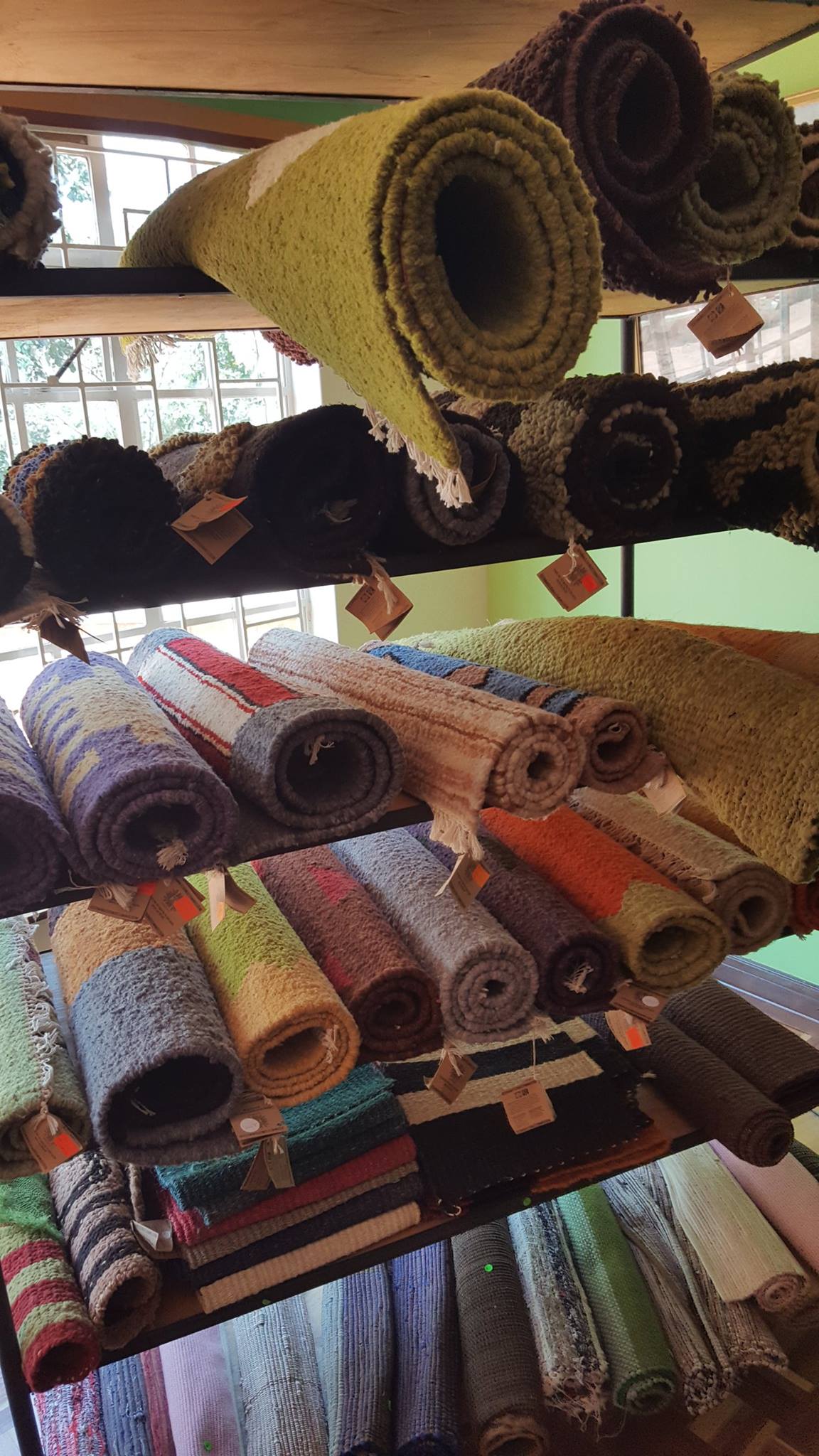
Setting up an organisation hadn’t been her intention, all that she knew was that she wanted to serve, but it became apparent in time that feeding the women wasn’t enough – income was what they needed so as to be able to make their own decisions and confidently chart their own paths. When she asked the women what would be most useful for them they said they wanted to learn how to weave and sell mkeka. So she got in touch with an acquaintance who ran a weaving workshop to come and teach the first 25 women to weave carpets. The first outputs were somewhat disastrous, but friends from her church bought the goods to support Jane’s work. In time the quality improved and they began selling at markets, fairs and even sending some overseas. Anybody who casually mentioned to Jane they were going to America was roped into carrying a Ghana Must Go bag full of woven products to sell through their contacts there. Some of the initial 25 women eventually went off to start their own businesses but many stayed and eventually Beacon of Hope opened a retail outlet at Prestige Plaza along Ngong Road in Nairobi. As many of the women used to come with their children for their training sessions, soon a small kindergarten class was started to keep the kids engaged. All of these activities would take place in a small two floor building on the outskirts of Ongata Rongai called Mongo House. With its uneven stairs, cramped rooms and leaking roof it wasn’t much, but it was all Jane could afford. In time though, the needs from the community for more services required more space than the overcrowded Mongo House could provide and the search for some land to put up a facility soon started. Through the support of several well-wishers and Jane’s own family savings an eight-acre plot was purchased in 2006 and Beacon of Hope had a permanent home. From these humble beginnings the organisation has served over 16,000 women and children in Ongata Rongai and Kibera. They run a full-service clinic and maternity centre, a kindergarten and primary school, a vocational college and several economic empowerment initiatives. Beacon staff laud Jane for keeping to her vision of service to the community and many emulate the example that she has quietly set – showing that one woman can indeed change the life of thousands, with a strong dose determination and a lot of faith!
Paukwa applauds Jane Wathome for being a true beacon of hope!
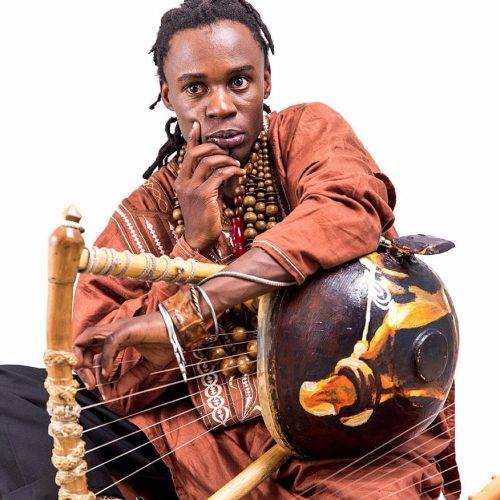
He’s on a mission to save the Nyatiti
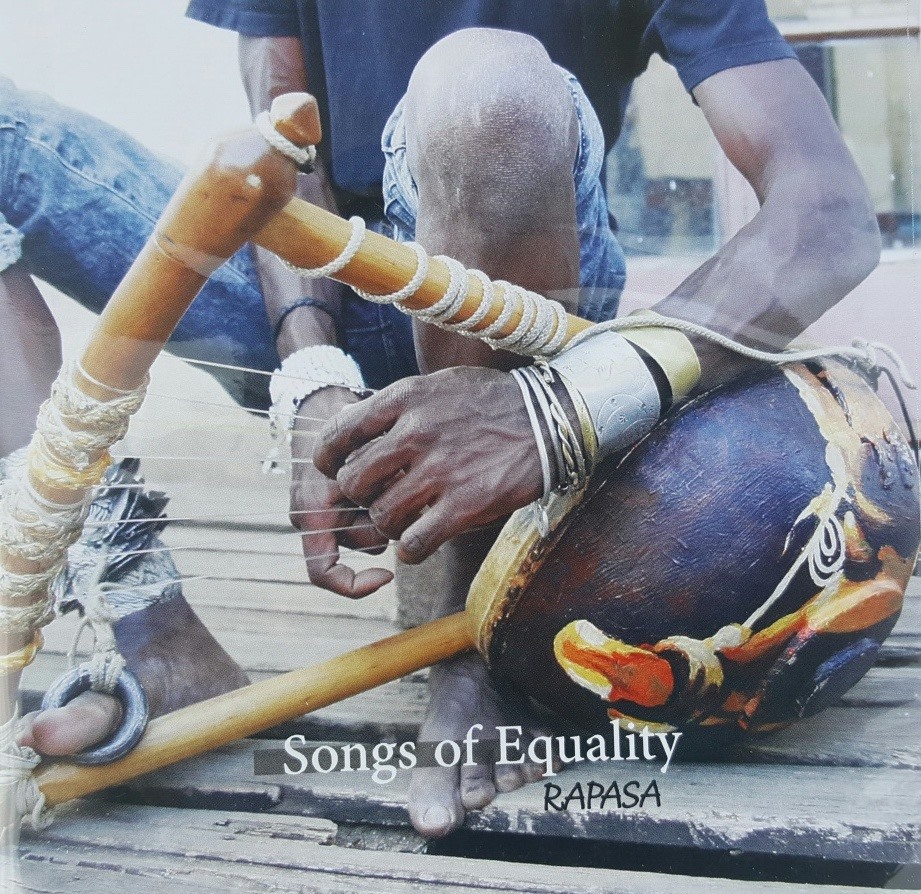
Rapasa Nyatrapasa Rapwapwa's journey didn’t start as that. He just knew he enjoyed playing the instrument whenever he would travel upcountry from his home in Nairobi, and he wanted to learn everything about the eight stringed instrument that is synonymous with musical sound in western Kenya and eastern Uganda. When he would go to shags as a young boy some people in the village tried to dissuade the Nairobi boy from his interest because "nyatiti players didn’t amount to anything but villagers".
But he had a different view and he eagerly pursued his learning, taking time to seek out masters in the village who could elicit beautiful sounds from the instrument and train him. About ten years ago he signed up to learn under a master instrumentalist. In time he also learnt the construction of the nyatiti, the different ways it can be played depending on the village or location where its being used. He learnt that different forms of the nyatiti dominate the region as far north as Egypt.
His quest for learning and sharing knowledge has seen him play as part of the Nile Project - a collective of musicians from the 11 countries of the Nile who have travelled the world from Egypt to Belgium to America, sharing their music and the unique sounds of the region to a global audience.
He has gone beyond the interest of his mentors to learn about other string instruments from Kenya, infuse them in his music and teach young children about the instruments that called out song and dance in our history.
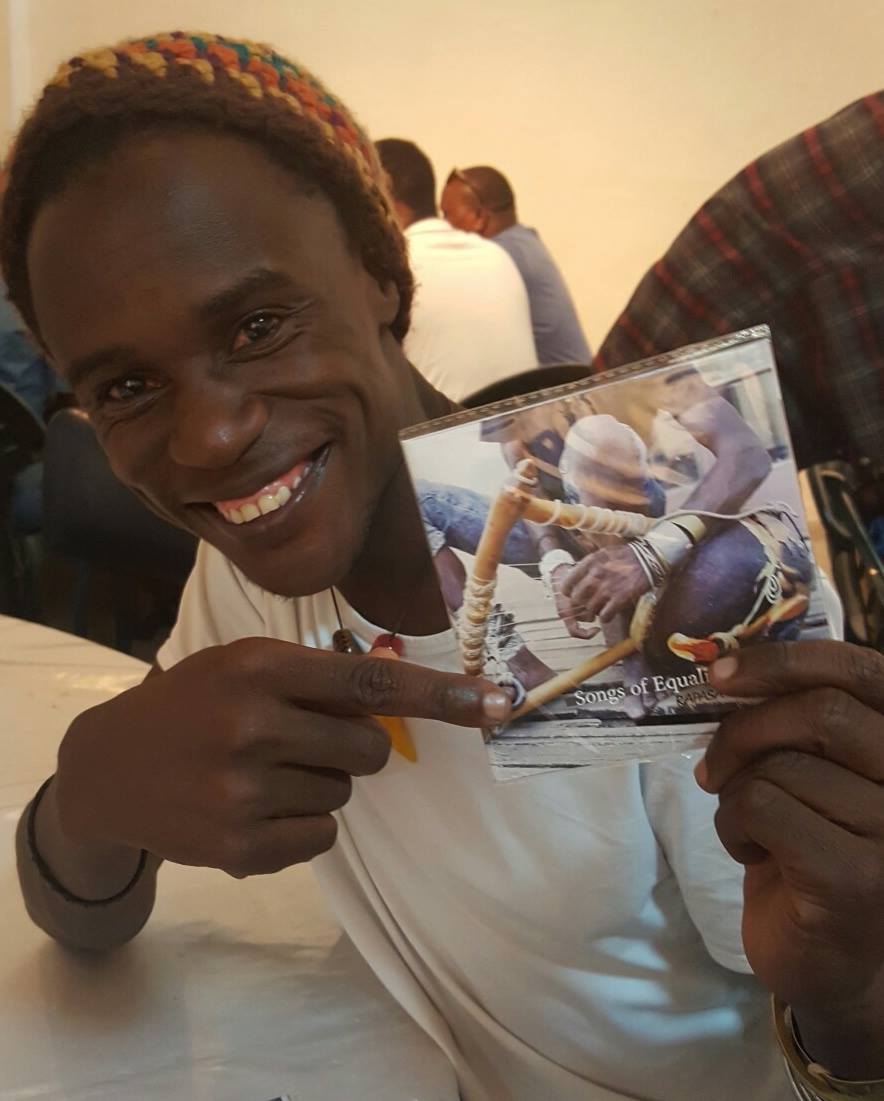
Rapasa has just released a new album and continues to work with different actors to use music as a source of effective social conversations, change and history capture. There is life in music and there is hope for a future for our instruments with people like Rapasa who just will not let them die. And clearly - that love of nyatiti took and continues to take him way beyond the village!
Do you know schoolkids who would benefit from learning nyatiti skills? Or use traditional instruments for an event ? Connect with Rapasa on Facebook.
additional image courtesy of the Nile Project