

Loving the Unloved
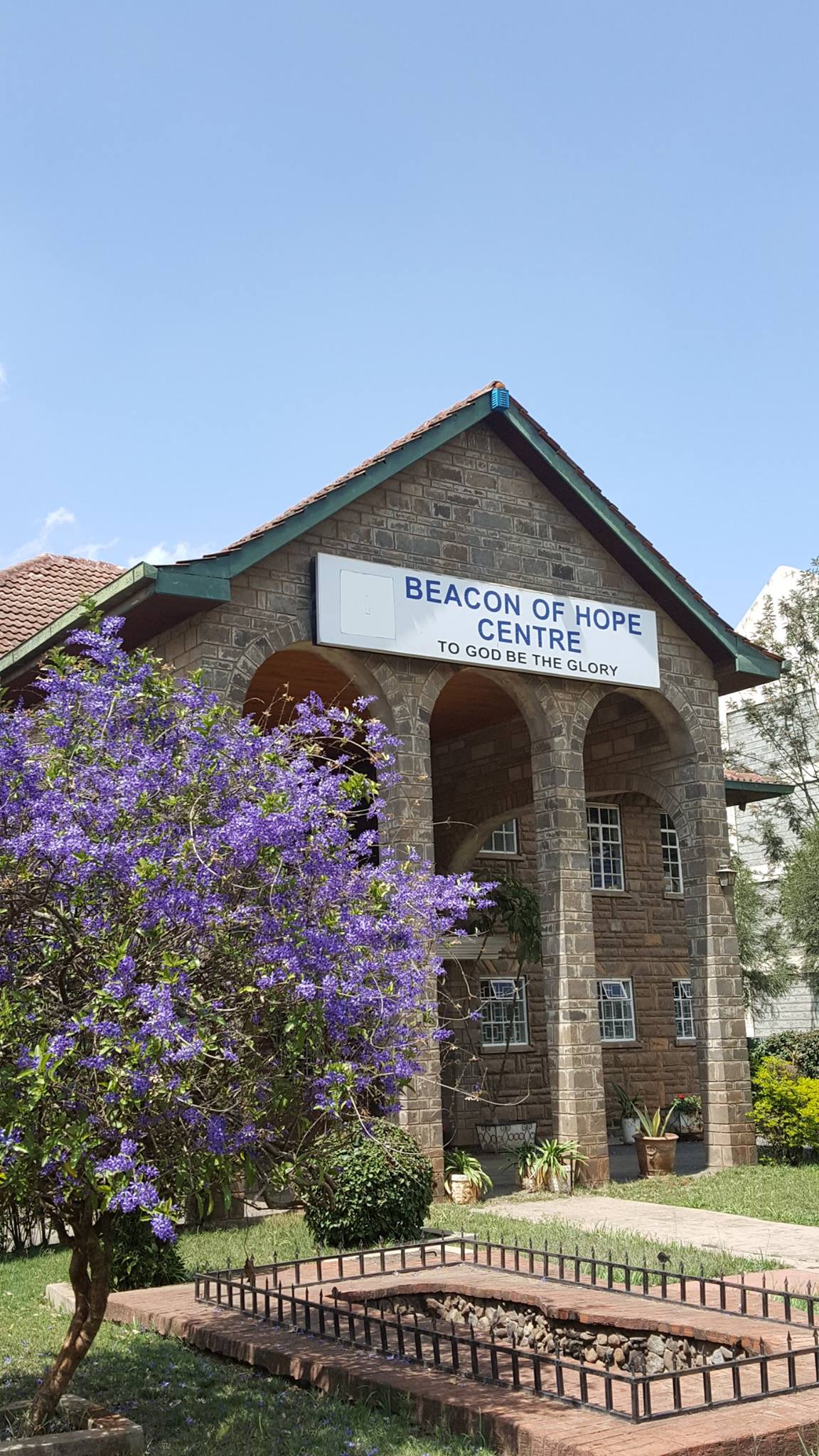

For fifteen years Jane Wathome has been pursuing a vision – to bring love to the unloved. It started out simply when she graduated from Bible School but felt that being a pastor didn’t quite feel like the right fit. She had spent the decade prior to returning to school as a stay-at-home mother content with raising her three children, but now deeply felt a calling to serve. The year was 2001 and her restlessness found her doing the most unlikely things – seeking out and offering to help women and children in Nairobi’s informal settlements, talking passionately with friends about providing meals and medicines and clothes to the families she was encountering and even using her husbands’ old Mercedes to ferry women from Kware slums to various hospitals around Nairobi.
Jane had found her calling in serving women infected with HIV and families affected by the disease. This was a time when HIV was considered a death sentence and people would literally rather die before admitting they had “the big disease with a little name”. With all the misinformation and stigma surrounding HIV and AIDS at that time, people were often afraid to shake hands with, share utensils or living spaces with patients and many women found themselves on the street, thrown out by husbands or family members. Jane however embraced as many as she could even though some of her own friends couldn’t bring themselves to understand her desire to work with HIV patients. Jane’s own turning point came when she went to visit one of the women she was supporting at Mbagathi hospital only to find that no one had attended to her – neither nurses or family and so had to help the lady use the bathroom(bucket by her bedside) and then had to bathe her. The lady died the following day, grateful for the dignity of a bath and a clean bed. She realised at that point it was all or nothing – and she went all in by setting up Beacon of Hope, an organisation whose mission became serving those who were most unloved by society.
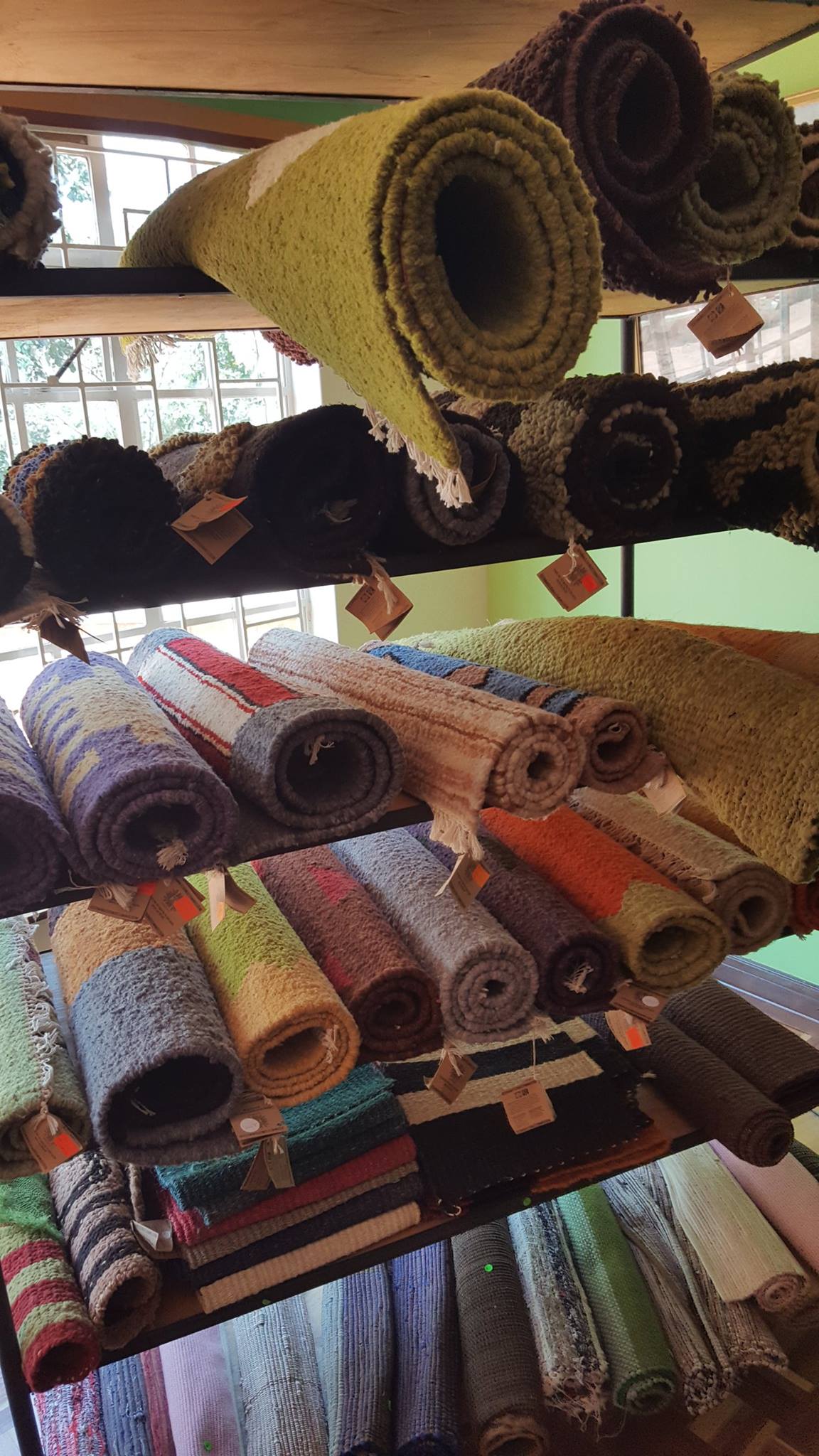
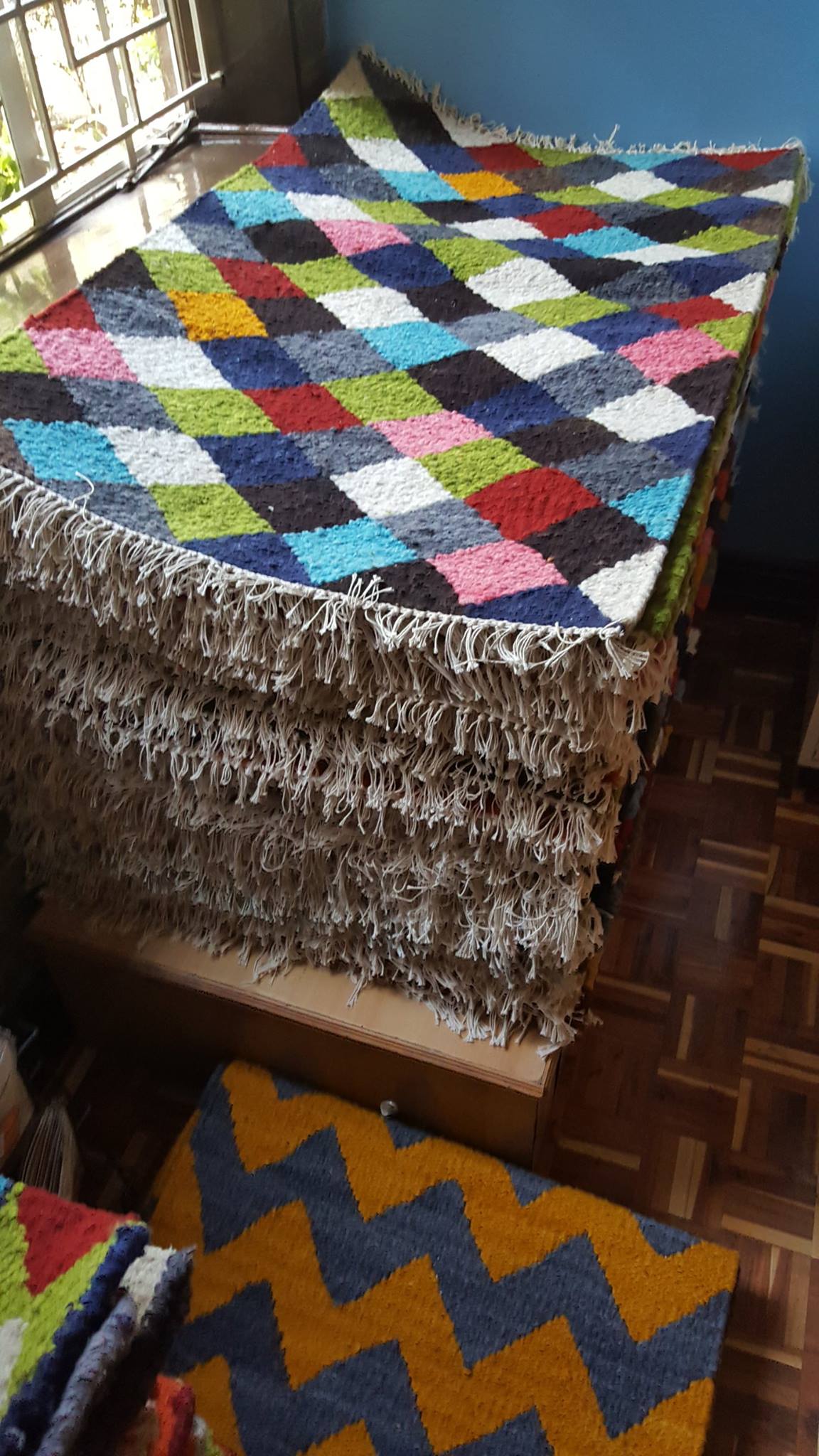
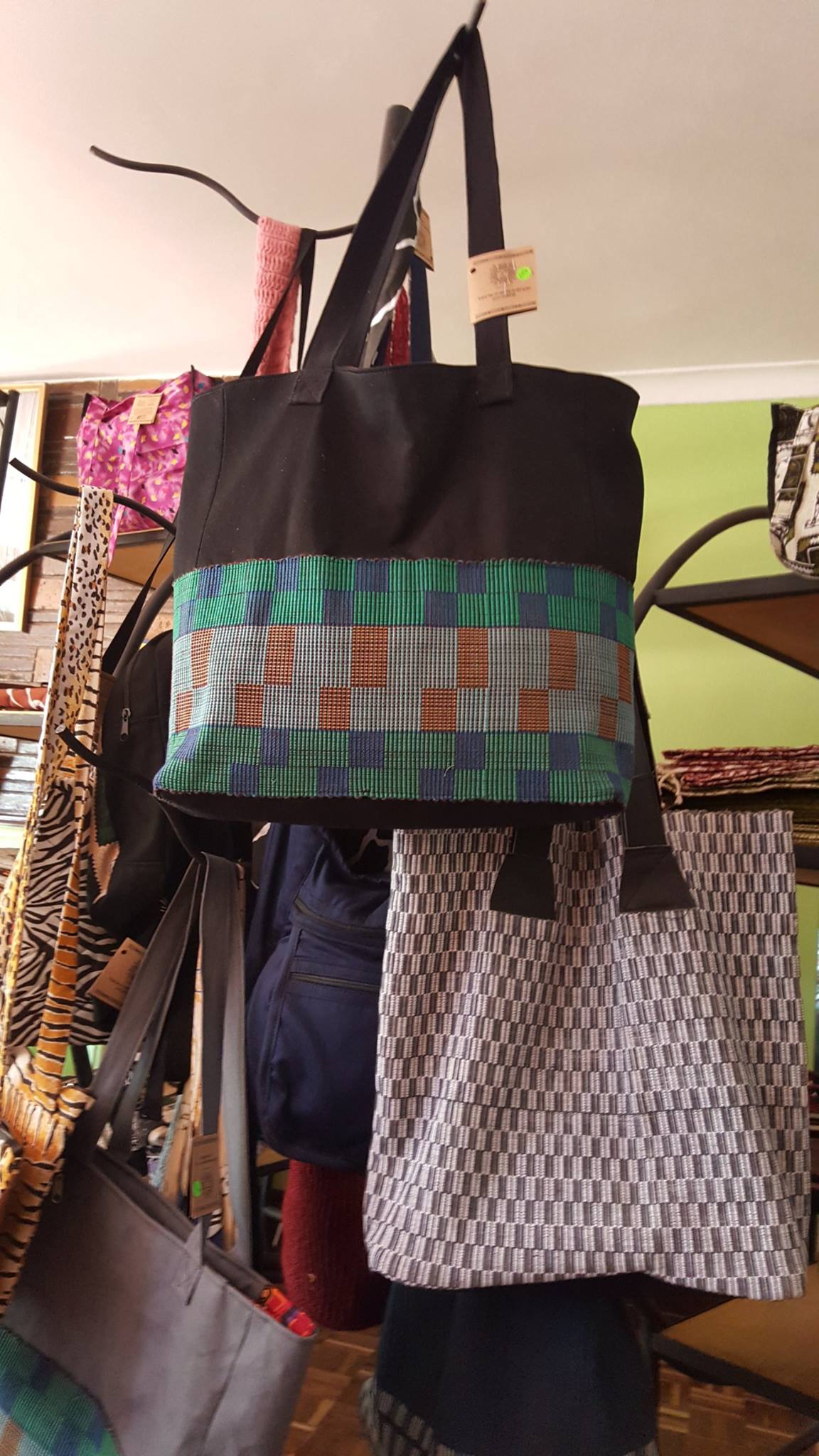
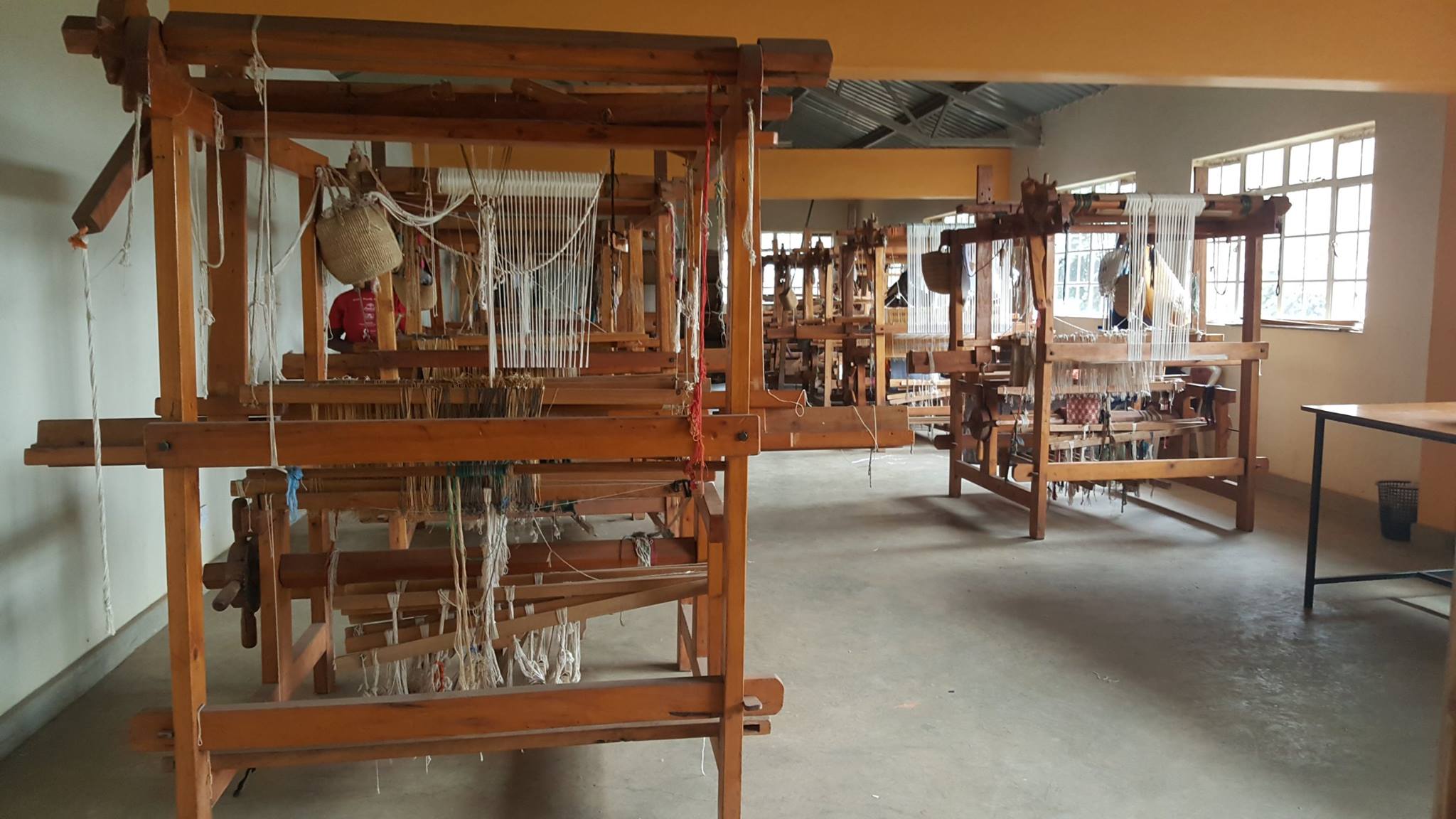
Setting up an organisation hadn’t been her intention, all that she knew was that she wanted to serve, but it became apparent in time that feeding the women wasn’t enough – income was what they needed so as to be able to make their own decisions and confidently chart their own paths. When she asked the women what would be most useful for them they said they wanted to learn how to weave and sell mkeka. So she got in touch with an acquaintance who ran a weaving workshop to come and teach the first 25 women to weave carpets. The first outputs were somewhat disastrous, but friends from her church bought the goods to support Jane’s work. In time the quality improved and they began selling at markets, fairs and even sending some overseas. Anybody who casually mentioned to Jane they were going to America was roped into carrying a Ghana Must Go bag full of woven products to sell through their contacts there. Some of the initial 25 women eventually went off to start their own businesses but many stayed and eventually Beacon of Hope opened a retail outlet at Prestige Plaza along Ngong Road in Nairobi. As many of the women used to come with their children for their training sessions, soon a small kindergarten class was started to keep the kids engaged. All of these activities would take place in a small two floor building on the outskirts of Ongata Rongai called Mongo House. With its uneven stairs, cramped rooms and leaking roof it wasn’t much, but it was all Jane could afford. In time though, the needs from the community for more services required more space than the overcrowded Mongo House could provide and the search for some land to put up a facility soon started. Through the support of several well-wishers and Jane’s own family savings an eight-acre plot was purchased in 2006 and Beacon of Hope had a permanent home. From these humble beginnings the organisation has served over 16,000 women and children in Ongata Rongai and Kibera. They run a full-service clinic and maternity centre, a kindergarten and primary school, a vocational college and several economic empowerment initiatives. Beacon staff laud Jane for keeping to her vision of service to the community and many emulate the example that she has quietly set – showing that one woman can indeed change the life of thousands, with a strong dose determination and a lot of faith!
Paukwa applauds Jane Wathome for being a true beacon of hope!

Doris Mayoli
Cancer. The disease that Doris Mayoli and Twakutukuza Trust have dedicated their existence to battling.
