
The story of the Spotted Hyena
#KeWildlife – Story 3

Crocuta crocuta. The name has a nice ring to it.
If we’re to look into hyena history, this animal is probably the best example of wildlife marked as gluttonous, selfish, and even foolish. The most famous of this species has to be the famous three that were brought to international screens in 1994.
Shenzi, Banzai and Ed.
Do these names ring a bell? Well perhaps you remember their leader Scar? the brother of Mufasa?
But we digress....
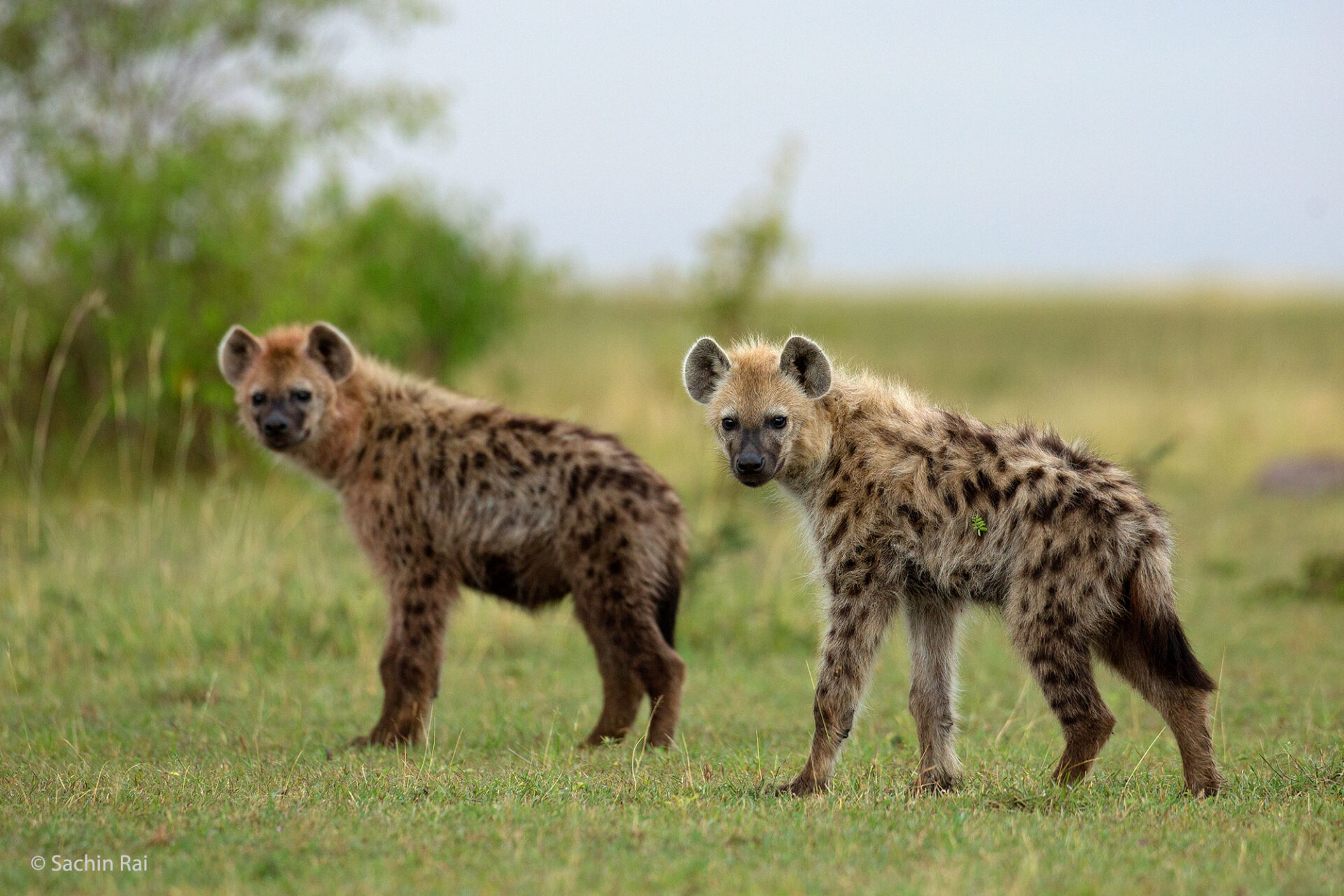
Crocuta crocuta is the other name given to spotted hyenas or laughing hyena or simply fisi for the Swahili speakers. With a figure that’s somewhere between a small bear and a dog, these sandy-grey furred animals are commonly identified through their black spots. They are significantly different from the stripped and brown hyenas. But are similar in that they do bark in form of laughter and can be heard from miles away.
Although spotted hyenas are plenty at night, a fair number can be spotted in the bright of day. A fascinating aspect about these animals is they are one of the most formidable and well-organized predators within the animal kingdom. They hunt in teams to capture larger animals such as wildebeests and gazelles. They are responsible for scouting (and killing) 95% of their meals and when confronted by other predators, they ferociously fight back. This is contrary to stripped and brown hyenas that feign death when found in a similar situation.
The spotted hyena’s pack is led by a female hyena. The females are larger than the males, more aggressive and thus, dominant. The largeness of their hearts allows sufficient oxygen flow and is the result of their ability to endure a hunt for several hours. As for stumbling upon abandoned carcasses, these animals can smell the decaying flesh of an animal from as far as four kilometres away. If the supply is in plenty, a single hyena can eat even 15 kilograms of meat.
Fisis live in clans and mark their territories through droppings or substances secreted from their anal glands but the spotted hyena’s display much communism in that they live in groups atop high lands where they can easily spot other clans that may want to intrude.
There’s a common assumption that the reason humans despise hyena’s so much is because of their recurring habit of trespassing into human homesteads to kill and carry away the domestic animals... but hyena’s got to eat right?
It’s always thrilling seeing the crocuta crocuta roaming around or possibly in action. Locally, these carnivores can be found at the Aberdare National Park, Tsavo West National Park and Nairobi National Park.

The story of the Bushbuck
Have you ever heard of the antelope species Tragelaphus scriptus? Or lets throw down a bigger challenge...can you say Tragelaphus scriptus?!
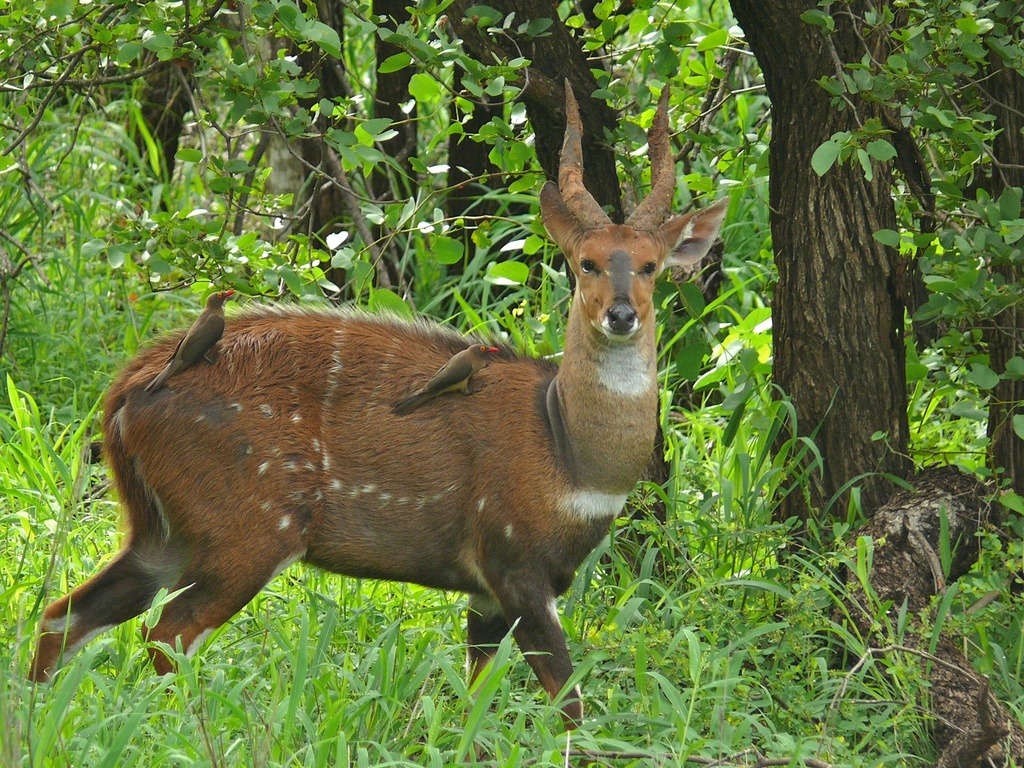
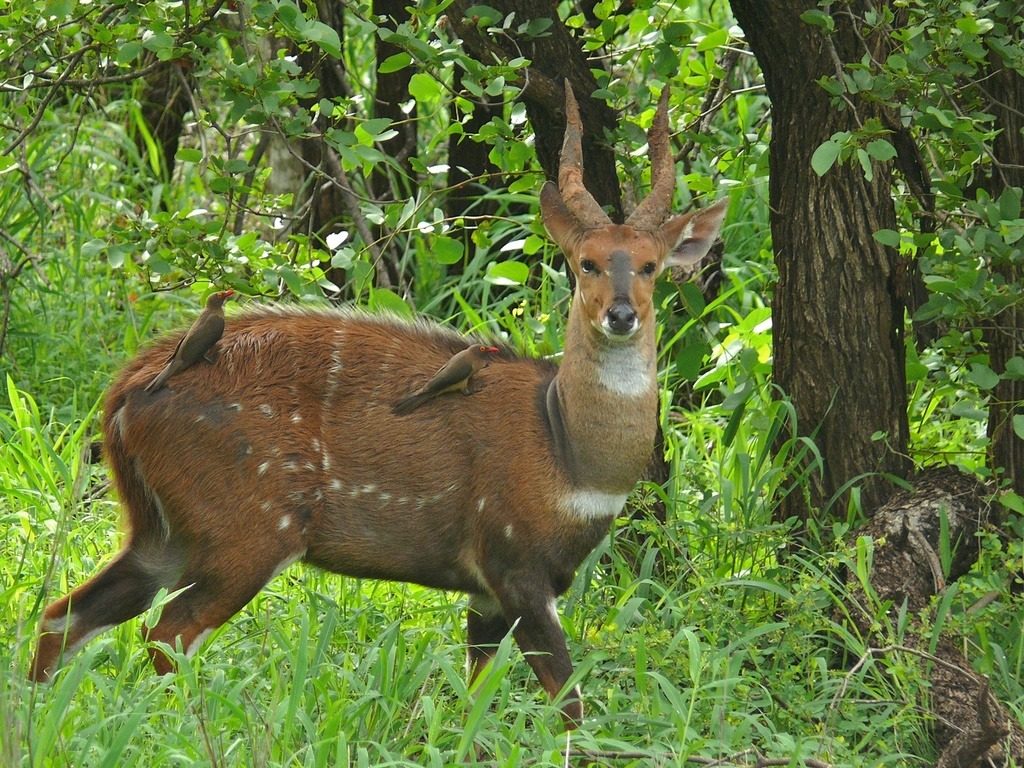
With dark brown fur the male Bushbuck exudes confidence. The female Bushback on the other hand boasts of a lighter brown coat, but shares one aspect of her outward appearance with her male counterpart; they have white dots along their sides that tread in no specific pattern. If colour isn’t the easiest way for an observer to identify the gender of this African mammal, perhaps the male Bushback’s horns provide more clarity. All in all, this mammal is a beatiful sight to behold!
Also called the Imbabala, from the Bovidae family we have to agree that Bushback is a more matter of fact if not really cool name. The name is also synonymous with the animal’s whereabouts – the bush. Did you know this antelope species can only be found in Kenya and 11 other African states? Goes to show that we are indeed a land of hidden gems in form of wildlife.
If you’re looking to spot a Bushback on a safari, you need to keep a keen eye out because these animals are known for their shy nature and they tend to make good use of thickets and within forests. Naturally nocturnal, these animals are known to take advantage of the darkness when they are least likely to be disturbed. In the nightime however, they roam freely and even close in on human settlements which we believe is their way of playing hide and seek with us.
But what’s most striking about this mammal is its solitary nature. Nature’s true introvert.. Bushbacks do not move around in pairs or as herds. For this reason, male and female Bushbacks only come together for the purpose of reproduction and thereafter go their separate ways after a few hours. If the female does get pregnant, the gestation period lasts approximately six months and when her calf is born, she goes to great lengths to ensure its safety against predators by cleaning and hiding it. Although it isn’t known when mother and calf go separate ways, the Bushback’s overall lifespan estimates to 12 years.
Looking to spot this #KeWildlife on a future safari? They can be found at The Aberdare National Park, Ol Donyo Sabuk National Park, Chyulu Hills National Park and Mount Kenya National Park.