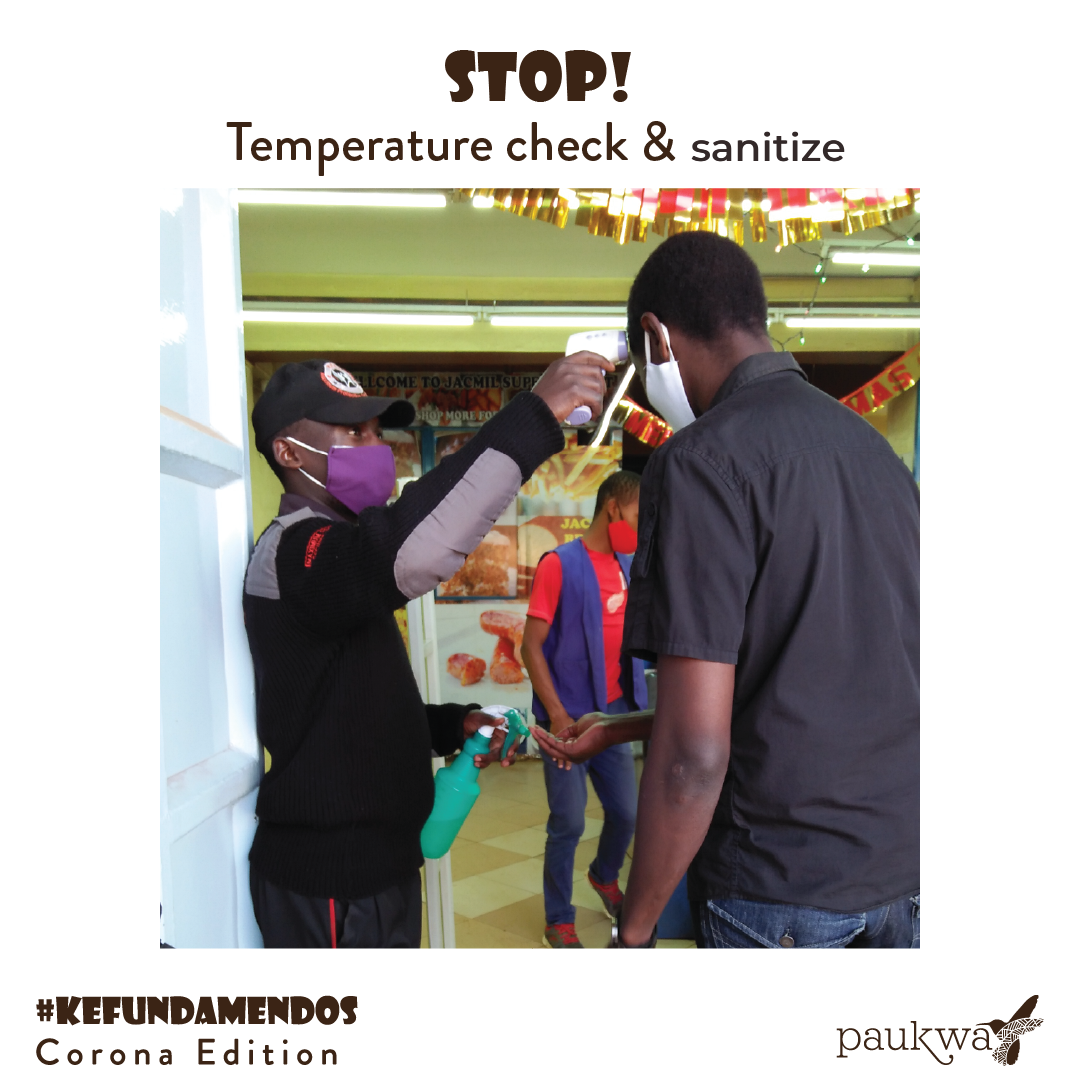
Stop! Temeperature Check & Sanitize
On average, how many times does an askari stop you at the entrance of a public building armed with a temperature gun and hand sanitizer? It doesn’t matter if you have gone through this procedure a few times already that very day, hii ni kama sheria. And heaven help you if your temperature reads above 37.5°C.

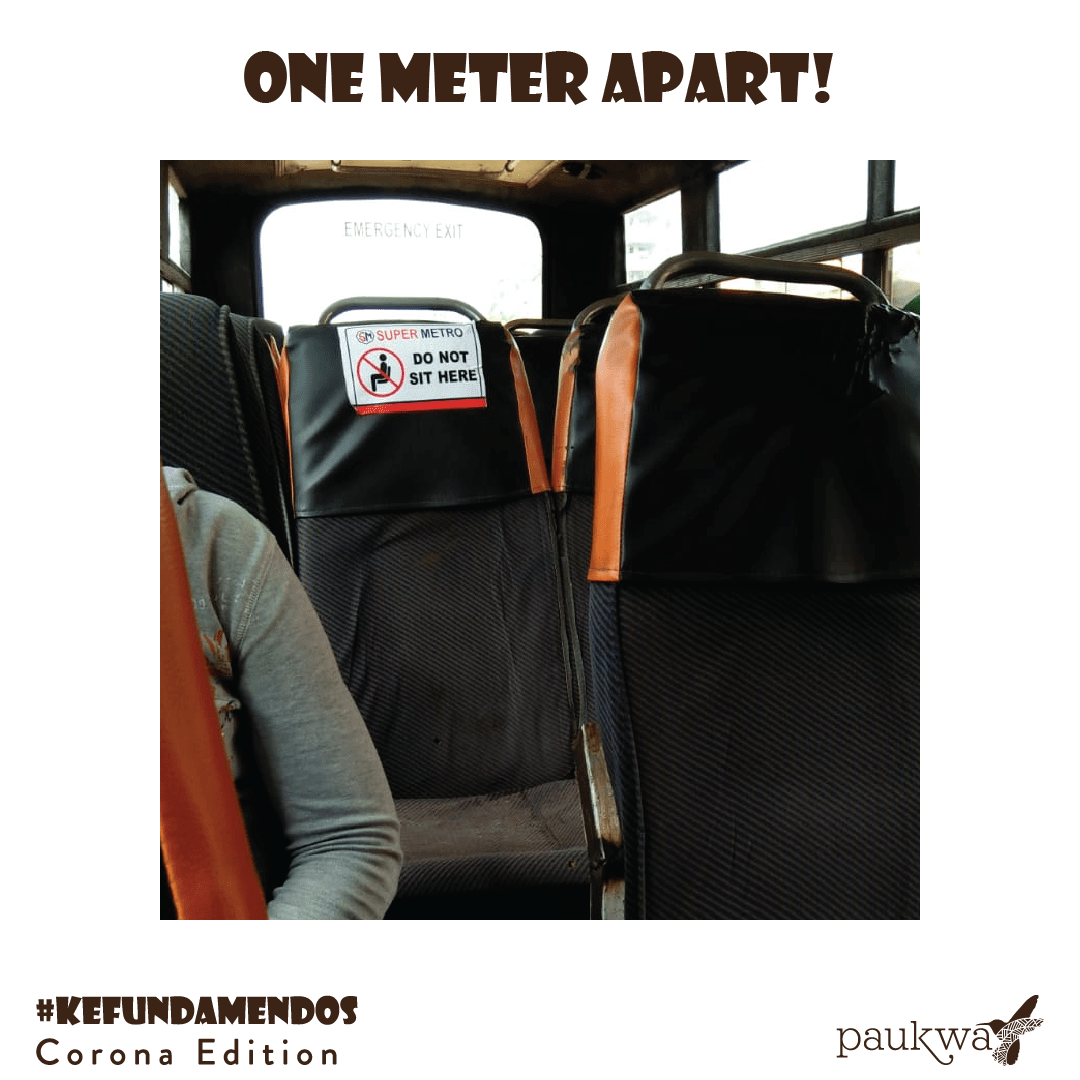
One Metre Apart
A future with PPE as the main fashion seems possible, but for now, we can still wear our kawaida clothes when we go out. However, we have continuously been cautioned to keep a 1 metre distance from people in gatherings and public spaces. Though the real question is: have you carried a tape measure with you to ensure you are 1 metre apart?
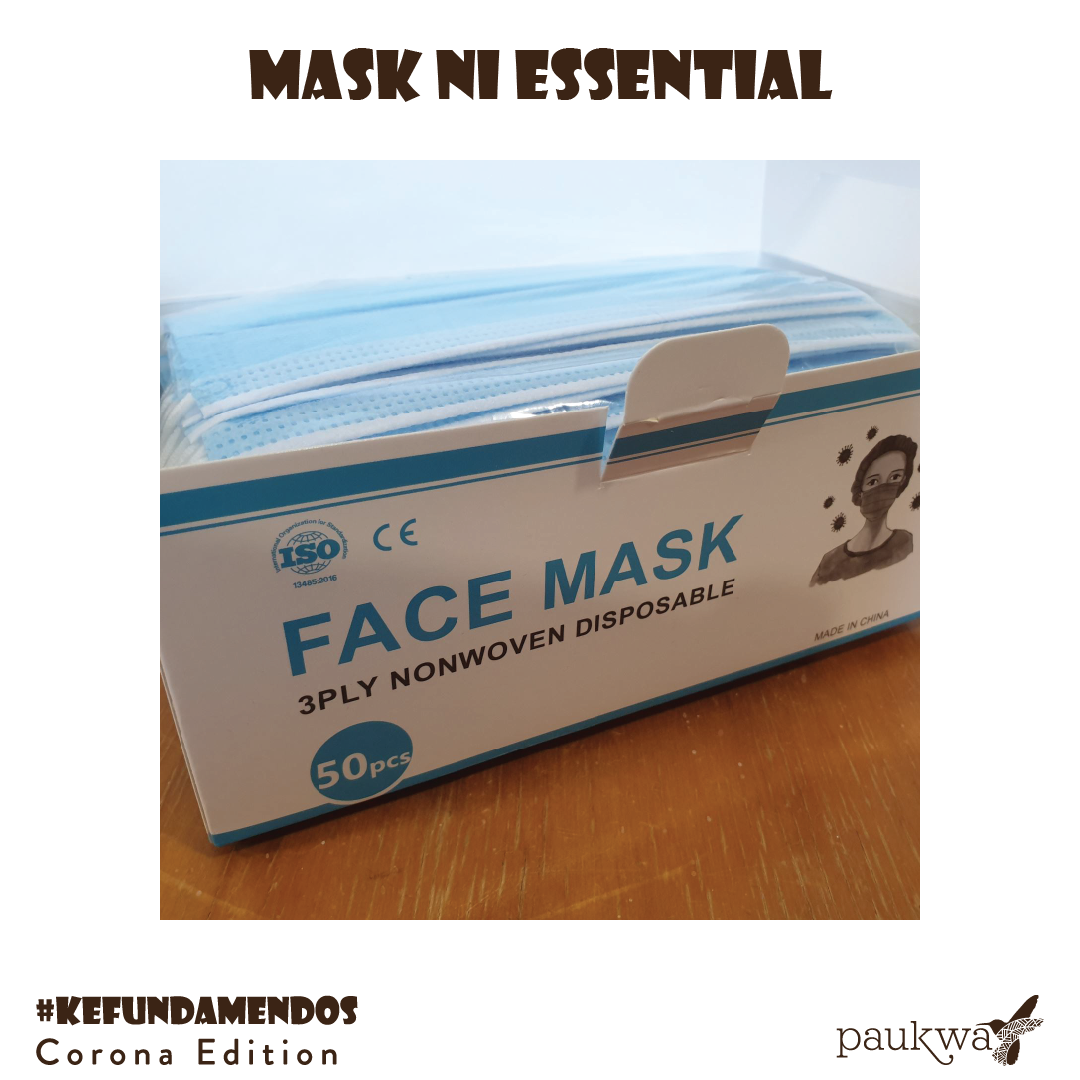
Mask ni Essential
How many times have you caught yourself by your front door, ready to head out, when you realize there’s something you’re missing? Going through your mental checklist reminds you of what it is – a face mask! Whether it’s a kitenge mask, a disposable mask, or an N95, kumbuka tu that mask ni essential.

Osha Mikono
MoH has told us again and again, kuosha mikono ni muhimu. And now, almost everywhere you turn, there is a handwashing station. Whether it’s outside the supermarket, pharmacy, or estate, unafaa uoshe mikono na maji na sabuni kabla uingie.

Maasai Naming Ceremony
Similar to the Luo, a newborn in Maasai culture isn’t given a name immediately after birth – rather there is a naming ceremony that comes between four to six months and sometimes the child can remain ‘nameless’ for as late as three years. Thus, in the interim, the child acquires a temporary name which is called the Embolet. Common names given to the child during this time include Enkoshoke-ai (my womb) and Enkutuk-ai (my mouth).
From the time of birth leading up to the naming ceremony, both mother and child seclude themselves from the clan. In this time, they are both to let their hair grow in preparation for the ceremony.
Then comes the Enkipukonoto Eaji, the naming ceremony. The word is a Maa word that translates to ‘coming out of the seclusion period’. The ceremony begins with prayer. As it normally takes place in the child’s parents’ homestead, the clan gather outside the settlement to pray to Enkai (God) for the mother and the child. Both mother and child stand at the center of the gathering. Thereafter, the clan members return into the homestead for the main ceremony to begin.
The main ceremony involves an elderly woman who will shave both the mother and child’s heads. This ritual consists of more than just a razor to scalp but also involves a healthy cow’s hide, an elder’s stool and a gourd filled with watery milk.
The father of the child chooses the child's name after he has consulted his age group and elders of the clan. This importance of this consultation is to ensure the child receives a name that did not belong to a former thief, murderer or social misfit. Thus, in Maa culture, the name given to a newborn must not be seen to bring bad luck or association with undesired elements; it must reflect favour and blessings. This symbol of the start of new life is accompanied by a great feast of traditional food and honey beer.
#PaukwaCelebrations
#OurKeCulture

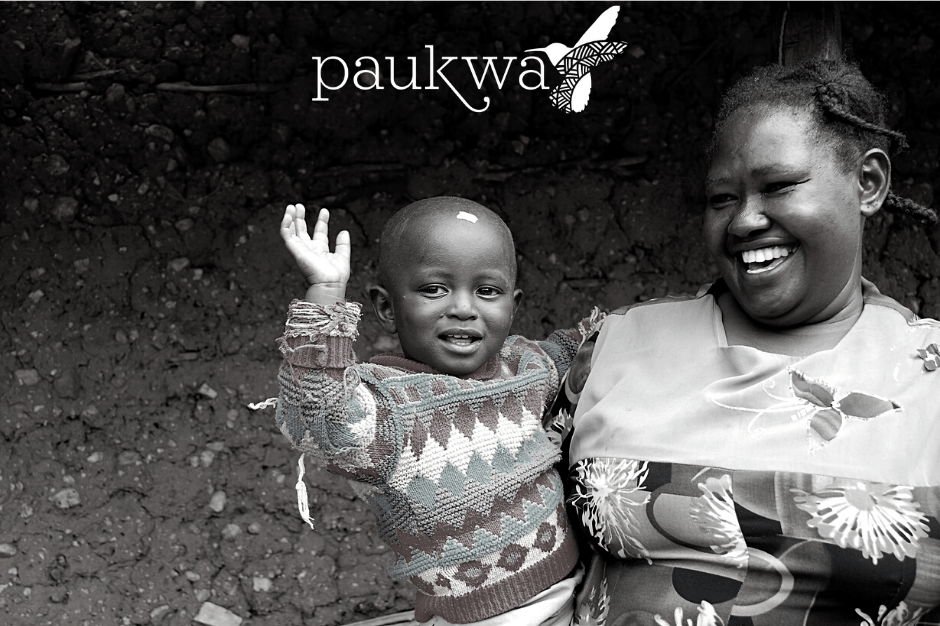
Mbeere Naming Ceremony
Songs were used to finalize Giriama naming ceremonies and they also marked the beginning of the birth process for the Mbeere community. When a mother was in labour, other women would come to her side to help her through the process. They would chant poetry in unison to soothe the mother and get her into a calm state of mind. This was also a way of the women sharing in her pain and letting her know that she was not alone.
Once the child was born, cutting of the umbilical cord would be accompanied with ululation from the women present. It was taboo for the men to be present during childbirth, especially the father. These ululations would alert the father that his child had been delivered. Four ululations would be given for a boy and five for a girl.
Ariririririri!
Our child is here!
A song would ensue thanking the ancestors for safe passage of the child and congratulating the mother for a job well done. Similar to the Giriama, Mbeere children were named after their grandparents. This system of naming is important in continuity of the clan’s life and to identify members of one clan to each other. The midwife, who was usually an elder woman in the homestead, would be the one to give the child its name. However, there were exceptions to this rule.
If a woman had suffered successive miscarriages or loss of several infants, the newborn would not be named after a person but an object of little importance such as Mati (leaves) or even Iriga (nameless). This was a result of the parents worrying that this child would not survive either and therefore did not want to form too close an attachment to them.
Encounters with wild animals could also prompt some names. The name Nyaga was given to a child whose parents had encountered an ostrich during pregnancy. Other such names included Njue (rhino), Ireri (baboon), and Njagi (zebra).
Once the name was selected, singing would be taken up once more to praise the youngest member of the community and let the mother know that she would not be alone in raising this child. When need arose, these women would rally behind her and support her.
#PaukwaCelebrations
#OurKeCulture
Pankaj Shah
In January of 1989 Pankaj Shah landed in Calcutta where he was, for 95 days, going to dedicate his time to working with Saint Teresa of Calcutta, better known as Mother Teresa. She had invited him to stay at her home during his visit which happened shortly after her own trip to Nairobi months before when the two first met.
The year before, Mother Teresa had just arrived in Nairobi and was on her way to Huruma from the airport when an unlikely accident between the vehicle she was in and Pankaj’s car led the two to meet. He recognized her even before she introduced herself and he offered to chauffeur her around as she in turn showed him the various charity Homes she was affiliated with in the city. He spent the next few days working with her, driving her around to the various homes she intended to visit, and all the while enamoured by her dedication to service.
As an Indian-Hindu boy, from an early age Pankaj’s parents taught him the art of giving and the art of sharing. Religion and culture advised that 20% of a person’s earnings should go to those in need or less fortunate. When in Calcutta, Pankaj was immersed into the world of philanthropy, working with 163 mentally disabled children between ages 6 and 13. It was here that the humbling experience of his life took root.
Three decades later, his time away would be more memorable than ever before. By then, Pankaj had started a travel business. Then on the 24th of February 2020, Pankaj was forced to close office because of the increasing CoVid-19 cases around the world that inevitably affected the tourism sector.
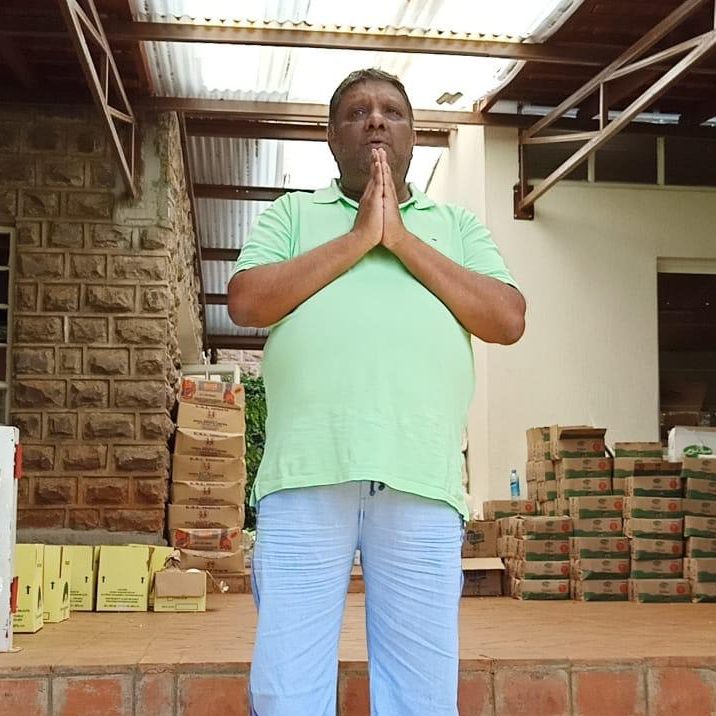
On the 21st of March, a week after the president of Kenya announced that all institutions were to be closed, Pankaj came up with an idea. Truthfully, it was an action that followed a conversation from earlier in the day. That morning, he had gone for prayers at Mother Teresa Children’s Home and when he had a moment with the Sisters, they informed him that many people had lost their jobs and as a result, were unable to feed themselves and their families. Pankaj’s idea was to put together food hampers for distribution to the less fortunate, an initiative that he called Save a Fellow Kenyan.
Distribution began in Kibera where Pankaj and an assistant were faced with the first dilemma. They had only budgeted to distribute 200 hampers (each with 20 packets of various dry foods) yet when they arrived, almost 2000 people were waiting for food. Thinking fast, the team decided to reorganize the hampers so that as many people could get the food. This experience challenged him to rethink his strategy which led him to establishing relationships with the community workers in various informal settlements. Additionally, he called for volunteers to help in the packing (which includes checking food for expiry dates). This bore fruit. Today, he has 50 volunteers assisting with packing and distribution. Between the 7th and the 9th of April, the team was able to deliver 4,200 food hampers. The first to receive were the most vulnerable: the elderly and the young children who live without guardians, and thereafter the team used the door to door delivery for organized distribution. With the help of the Kenya Police, the team was able to safely distribute the food – a process that had to be done during the curfew time when everybody is at home. To date, the team has distributed just under 18,000 hampers of food.
Additionally, to curb the issue of begging – a circumstance that has been brought about by loss of jobs – Pankaj has seen an opportunity to step in and employ the youth. Early this month, he started an initiative in Kosovo slum that has since employed thirty youth and provided them with spades, brooms, rakes, gumboots, gloves, wheelbarrows and brushes and tasked them to clean out the entire informal settlement for a small pay. The clean-up team began the work on Monday, 13th April and hopes to clean at least one and a half kilometers. Furthermore, these selected thirty have been educated on pollution and have been encouraged to spread the word to the community in Kosovo as they go about the cleaning. Pankaj has further tasked himself to setting up handwashing stations in this area so that the importance of hygiene can be the second part of this initiative.
The team hasn’t lost momentum; they have intentionally began packing at least 3,000 hampers each day for distribution. And now, as they continue in this Paukwa spirit, they are appealing to those that are still working, to spare Kshs. 4,000 that will provide a month’s supply of food – that includes a vegetable pack – for a less fortunate family.
For any donations, payments can be sent to:
https://changa.page.link/4KZGH
Pankaj Shah: 0727494555


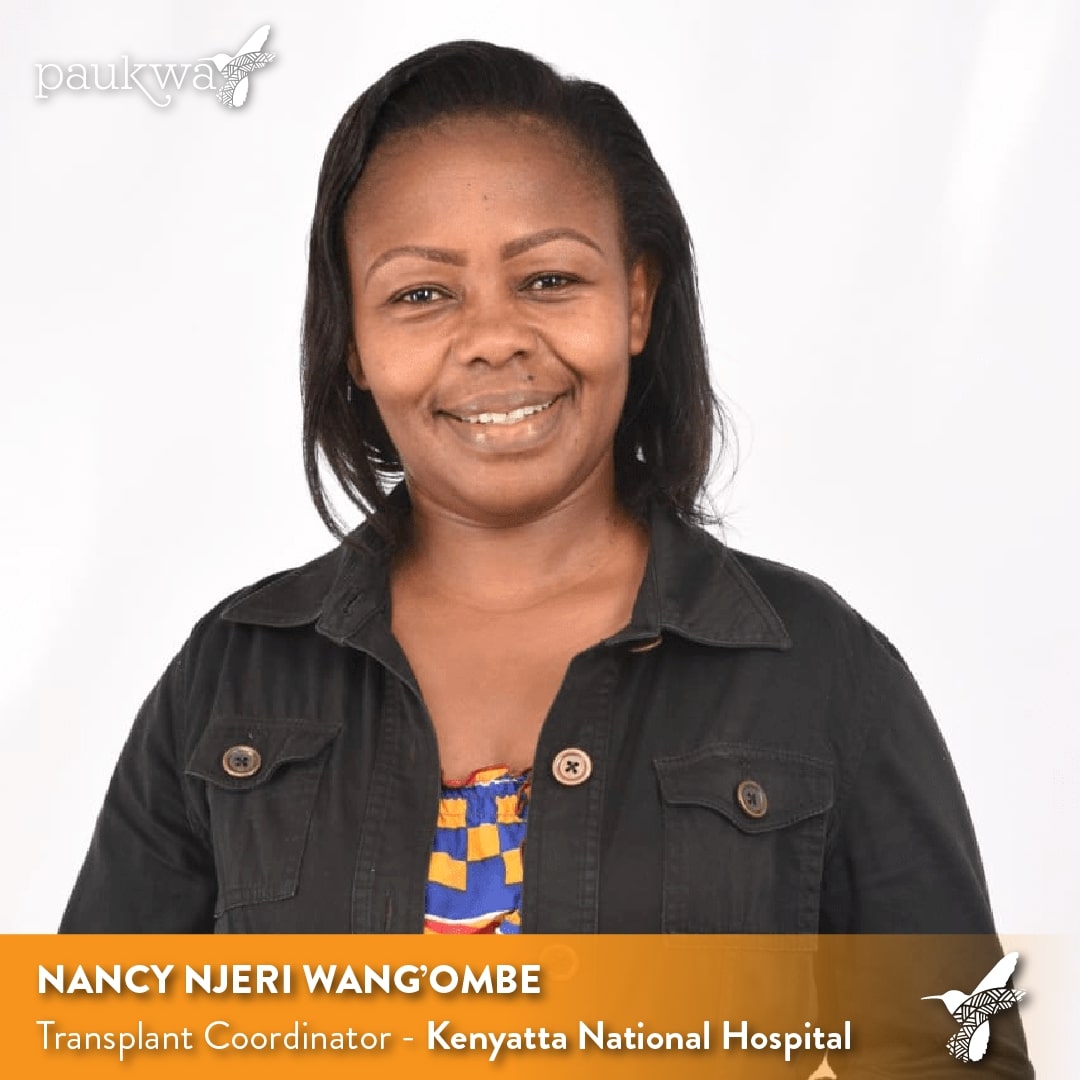
Nancy Njeri Wang'ombe - Pushing Boundaries

Nancy Njeri had never thought of becoming a health worker. Her father, who was an agricultural officer in their hometown in Laikipia, passed away when she was three. But this did not mean he was absent from her life. Her mother and her relatives kept his memory alive by telling Nancy stories about what an amazing man he was. Through these stories, her father became such a legend in her eyes that she wanted to become just like him when she grew up.
In 1993, Nancy sat her KCSE exam at Muhotetu Girls’ Secondary School. Her resolve to become an agricultural officer was unwavering, and she had applied to the University of East Africa, Baraton for a BSc in Agriculture. Instead, Baraton enrolled her for a degree in education, a choice that was completely unacceptable to Nancy. Her aspiration had been brought to a grinding halt and she was unsure of how to change gears. Her uncle, who was a father figure to her, shared in her frustration but believed that Nancy was a bright girl who could pursue any career she wished. Since she was adamant about becoming a teacher, he suggested that she give nursing a try. Grudgingly, Nancy agreed, and in 1996 she joined Nyeri Provincial Hospital General Training College.
Even though it was not the career she had desired, Nancy began enjoying her coursework in nursing. In class, she learnt about the human anatomy, classification, and administration medicines, and most importantly, caring for patients as they recuperated. Ward rounds were the most difficult of her classes since they were so labor-intensive. Despite this, Nancy enjoyed spending time with the patients, and so she began to draw her strength from those she was treating.
Three years later, Nancy graduated from college and was applying to various hospitals for her internship. After her experience at the wards in Nyeri, she had made up her mind to become a public health nurse rather than a hospital nurse. Public health nursing would give her the opportunity to visit different places and help people improve their health to prevent disease while being a hospital nurse meant that she would have to work in the wards she dreaded, giving care to those visiting the facility. But there were no postings for public health nurses at the time. By this time, Nancy had learnt to trust the outcome of things even when they went contrary to her plans. So in 2000, when she got posted to Kenyatta National Hospital as a staff nurse, Nancy decided to go with the flow.
Before working in the renal ward at KNH, nurses are required to have undergone specialized training offered exclusively by the hospital. At the time of Nancy’s posting, this particular ward was understaffed, and Nancy was required to become an extra set of hands until trained nurses were employed. What started out as something temporary became the core of her work. When she was on duty, Nancy would prepare patients for dialysis before taking them through the process. She was thrown in the deep end but managed to keep her head afloat and learned the skill on the job. In 2005, she formalized her training by enrolling for higher diploma classes in renal nursing.
From the first day, Nancy enjoyed her work as a renal nurse. In the course of time, she developed deep meaningful friendships with many of the patients who visited the hospital. In 2010, KNH began expanding its transplant services, and with the rising number of patients, someone was needed to coordinate the transplants that took place. When Nancy was chosen for the job, she decided to boost her skill set by enrolling at the University of Nairobi for a Bachelor’s degree in Nursing.
By the time she was graduating in 2013, she had become the point person within the facility for all transplant activities. The hospital administration was so pleased with how she conducted her work that they encouraged Nancy to apply for a postgraduate degree at the University of Barcelona in Spain. The next year, Nancy was halfway across the world pursuing a Master’s degree in Donation of Organs, Tissue and Cells for Transplantation courtesy of Kenyatta National Hospital.
Nancy enjoyed her time in Spain. Despite being one of two Africans in the class, she was never made to feel like an outsider. Everyone was so friendly, and she loved interacting with people from various backgrounds of health workers who had chosen to become transplant coordinators. In 2015, Nancy Njeri Wang’ombe graduated from Barcelona University. She was one of the few health workers on the continent and the first in Kenya to train in transplant work.
As a transplant coordinator, Nancy spends her day with patients in need of kidneys. From the moment a patient comes into Kenyatta National Hospital for a kidney replacement, they are under Nancy’s care. She first takes them through patient education so that they understand what a transplant entails, then assign them to social workers who will deal with them individually. Nancy monitors and evaluates the needs of the patients every step of the way until a donor match is found. Before the transplant, she starts both parties off on the necessary medication and follows up after the surgeries to ensure that the recovery process is as smooth as possible for everyone involved.
Nancy’s love for her patients radiates through her work. Today, we celebrate her not only as a health worker but as a pioneer in her field.
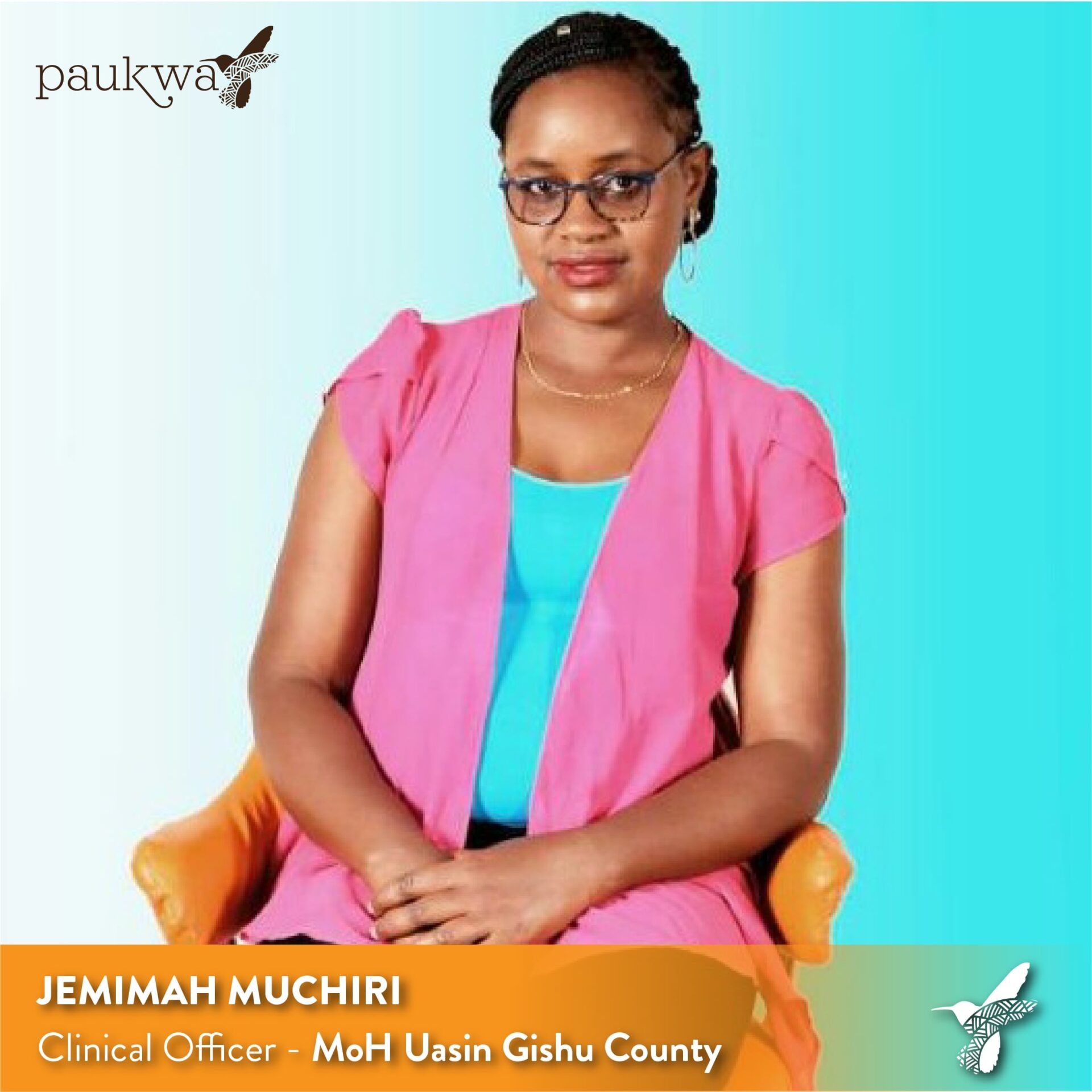
Jemimah Muchiri - For the Good for the Community
Christmas season in 2007 was like any other for Jemimah Muchiri and her family. Theirs was about food, celebration, and laughter, and as was tradition, these Christmas festivities took place at their Kapsoya home in Eldoret town. Jemimah was always excited to spend time with her family but that year she was especially excited to get back to school because it would be her final year at Ndalat Gaa Girls' Secondary School in nearby Nandi Hills town. What had begun as a fun-filled holiday turned into a nightmare when post-election violence started on 27th December, two days after Christmas. Jemimah and her family were forced to take refuge at a nearby Catholic church. They would walk to the church every evening, bringing food and a change of clothes with them, then leave for home in the morning.
Even as the new year began, there seemed to be no end in sight to the chaos. The Nandi region was marked unsafe and Jemimah couldn't go back to school. When her family received word that some of their neighbours and extended family had lost their lives in the chaos, her parents left nothing to chance. Jemimah was sent to Nakuru to stay with her elder sister until things calmed down. On 28th February, the manic wave tided, but the trauma of what had happened was too intense. Her parents transferred her to Njoro Girls’ High School in Nakuru. During enrollment, Jemimah found out that not only was she going to be the new girl, but she was going to have to repeat form three since registration for KCSE was already complete. While the push back was embarrassing for her, she knew it was a compromise she had to make for her safety.
 In 2009, she successfully completed her high school exams and was ready to get into university where she would pursue her long-time dream of working in health. She had time and time again expressed this desire to her family. The following year she was called to Egerton University to study Economics. This was not what Jemimah expected nor what she wanted. Her family had been supportive even at this time when her dreams seemed to slip from her grasp. One evening, her sister got home from work with a newspaper in hand. She pointed out an advertisement by Kenya Medical Training College inviting people to apply. The deadline was a day away and this made Jemimah hesitant. But her sister encouraged her to try, so Jemimah quickly drafted an application letter and sent it in by mail.
The hard part was the wait that followed. She spent months anxiously waiting to hear back. Finally, in October, a letter arrived congratulating her on a successful application.
When she told her family the good news, no one was more excited than her father, but his joy was laced with anxiety. How would he pay the tuition fee? The cost of schooling at KMTC was thrice as much as Egerton, and neither he nor her mother was able to afford it. Jemimah shared this news with another one of her sisters. She’d decided to defer her studies for a year hoping that by the next call, she would be able to afford the fees. As always, her family was relentless in ensuring she achieved her goal. Her sister offered to step in financially and paid more than half of the expected amount. In less than a week, all the requirements had been checked off the admission list and Jemimah joined KMTC - Nakuru Campus for a Diploma in Clinical Medicine and Surgery in 2010.
Jemimah enjoyed her coursework at KMTC which involved learning about the diagnosis of different diseases, prescription of medication and seeing patients through the treatment process. After completing her studies in 2013, Jemimah was posted to Kapenguria County Referral Hospital for her internship. Two years before, the country had experienced the worst drought recorded in sixty years, and the aftermath was still being felt in this small town. Many people came to hospital suffering from various diseases caused by malnutrition, and Jemimah did her best to help them regain their health. After her internship, when Jemimah earned her license and became a registered clinical officer, she stayed in Kapenguria for another year to attend to more patients.
In 2015, ready for change, she moved to Nairobi. In the capital, all the jobs she found were temporary, lasting no more than a few weeks. She returned to the place where she had taken refuge during the violence but again, Nakuru didn’t do it for her. She craved stability, and so when she came across a job vacancy for a clinical officer at Uasin Gishu County, she seized the opportunity and worked on her application keenly trusting that she would get the job. It seemed that she was to return home after all. In July, Jemimah relocated back to her home county after being away for so long. Today you will find her busy at Burnt Forest Sub County Hospital where she works with a team of other health workers for the betterment of the community’s health.
Jemimah’s journey has come full circle and we celebrate her steps to becoming a #KeHealthWorker.