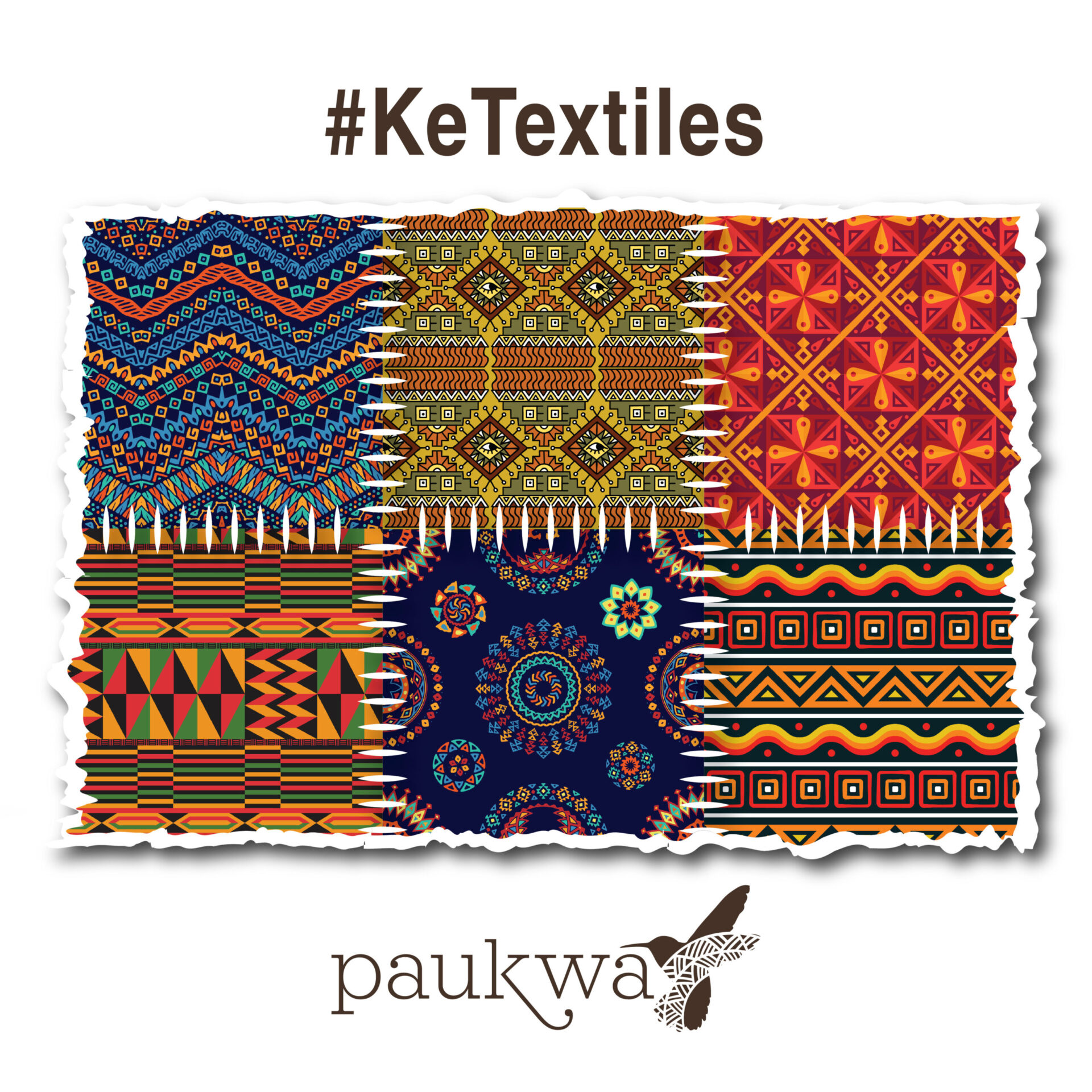
#KeTextiles
It is said that African textiles can be used to tell the story of the continent. By studying the continent’s cloth, one can trace her history, discover which nations interacted with and influenced her, and document monumental political and cultural episodes.
As part of the post-independence reclamation of traditional African heritage, there has been a resurgence in the interest surrounding African textiles as more people seek to understand their significance and incorporate them into their daily lives.
Through this #KeTextiles collection, we, too, have gone back in history to excavate and present the stories of Kenyan textiles. Our beautiful shukas, kangas and kikois tell tales of resilience and empowerment and, most of all, showcase the creativity and craftsmanship of our communities.
Join us in appreciating our nation’s vibrant and colourful tapestry. Karibuni #KeTextiles!
Nothing found.

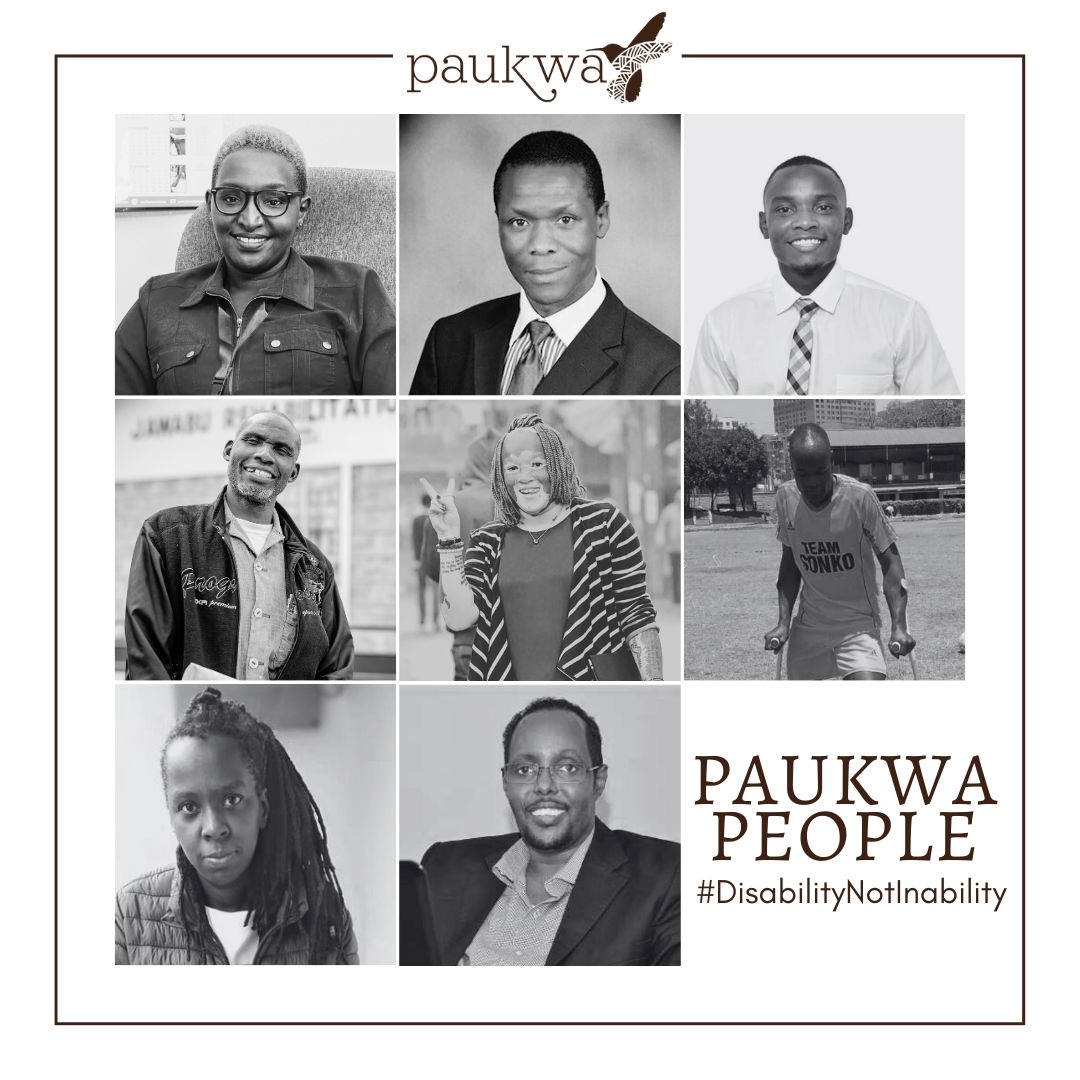
#DisabilityNotInability
In a world that is constantly evolving, the significance of inclusivity cannot be overstated. Embracing diversity and providing equal opportunities for all individuals, regardless of their abilities, is not just a moral imperative; it is an essential step towards creating a better future for everyone. And that is precisely what the Paukwa People: #DisabilityNotInability story collection aims to showcase — the extraordinary efforts of Kenyans who are fervently championing inclusivity for persons living with disabilities across the country.
Over the next two weeks, we will delve into the journeys of individuals and organizations that have taken up the mantle of inclusivity in diverse ways. Throughout this story collection, we will introduce you to remarkable people who have defied odds, shattered stereotypes, and led transformative initiatives.
As you embark on this extraordinary journey with us, be prepared to witness the immense power of human determination, the strength that emerges from unity, and the boundless potential of compassion. We believe that each story will be a testament to the power of perseverance, and will hopefully inspire each one of us to be more proactive in fostering an inclusive society.
Welcome to Paukwa People: #DisabilityNotInability.
Nothing found.
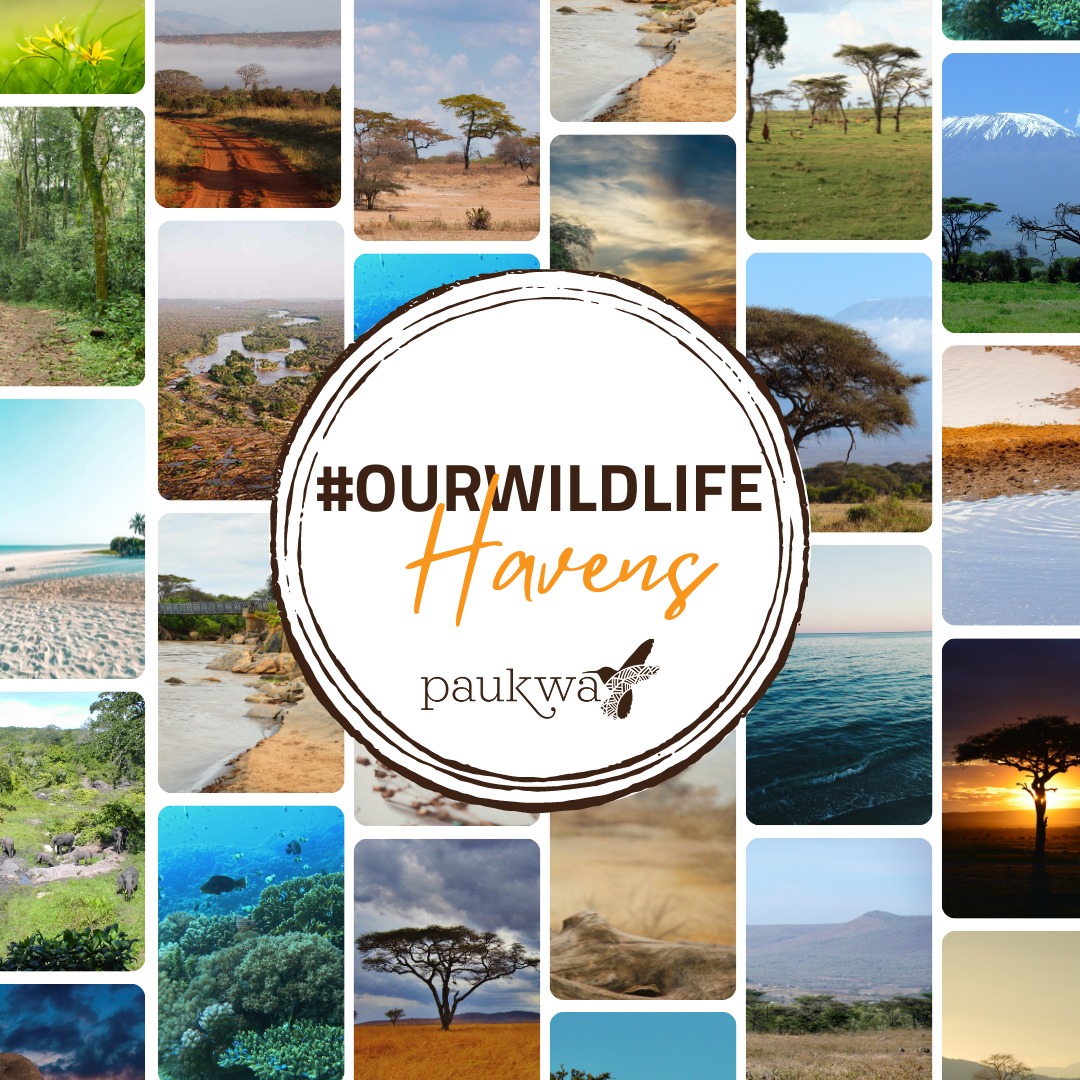
#OurWildlifeHavens
Conservation can be thought of as a state of harmony between humans, land and animals. To truly grasp the interplay between humans and wildlife, we need to look no further than our national reserves. Unlike national parks, our reserves allow human interests to be balanced with those of the ecosystem.
As we thought of our wildlife, their habitats and the places they find refuge in an increasingly hostile world, we devised a collection celebrating the breathtaking beauty and life-threatening challenges that play out on our national reserves.
We peered back into history to find out how they came to be, pulled out maps to understand their boundaries and delved into the minds charged with determining what human activities can exist alongside our majestic flora and fauna. We hope this collection enchants, provokes and inspires you to have a newfound appreciation for the places that our unique species call home. Karibu sana to #OurWildlifeHavens.
Nothing found.
#MijiYetu
Names have power. Just as a person’s name bears a strong connection to their identity and individuality, so does the name of a place. Kenya has an abundance of towns that are home to rich culture, diverse heritage, and picturesque features. Each of these towns is denoted with names so unique and distinct that they have elaborate origin stories. In our unending quest to uncover little-known facts about Kenya, we asked ourselves a simple question about our towns, “What’s in a name?”
To answer this, we’re kickstarting a new story series that will take us on a story journey around the country. As we highlight the names of our towns and their meanings, we hope to gain a deeper appreciation for the etymology of our African words and languages.
We love telling stories, but we enjoy hearing them from you even more, so we invite you to share some of the meanings of town names you know about.
Karibu sana to #MijiYetu!
Nothing found.
#DiniZetu
For millennia, human beings have searched for and discovered various ways to interpret the meaning of life. Some turn to science, others to religion, and some have yet to conclude. Within the religious cohort hail people from all around the world who have distinct cultures. As such, there are thousands of religions and spiritual belief systems globally.
Within the African continent, many communities have woven their spiritual beliefs into their daily lives by honouring their ancestors, performing intricate rituals and sacrifices, seeking intercession and guidance from designated community members, and much more.
With these stories, we bring the discussion closer to home, sharing the various traditional belief systems being kept alive by Kenyan communities. From the worship of multiple deities to the identification of one supreme being, reliance on astrology to differing conceptualizations of the universe, one thing is for sure, there is a wealth of knowledge to learn from.
Karibuni #DiniZetu, the Paukwa collection that explores our local religions.
Nothing found.
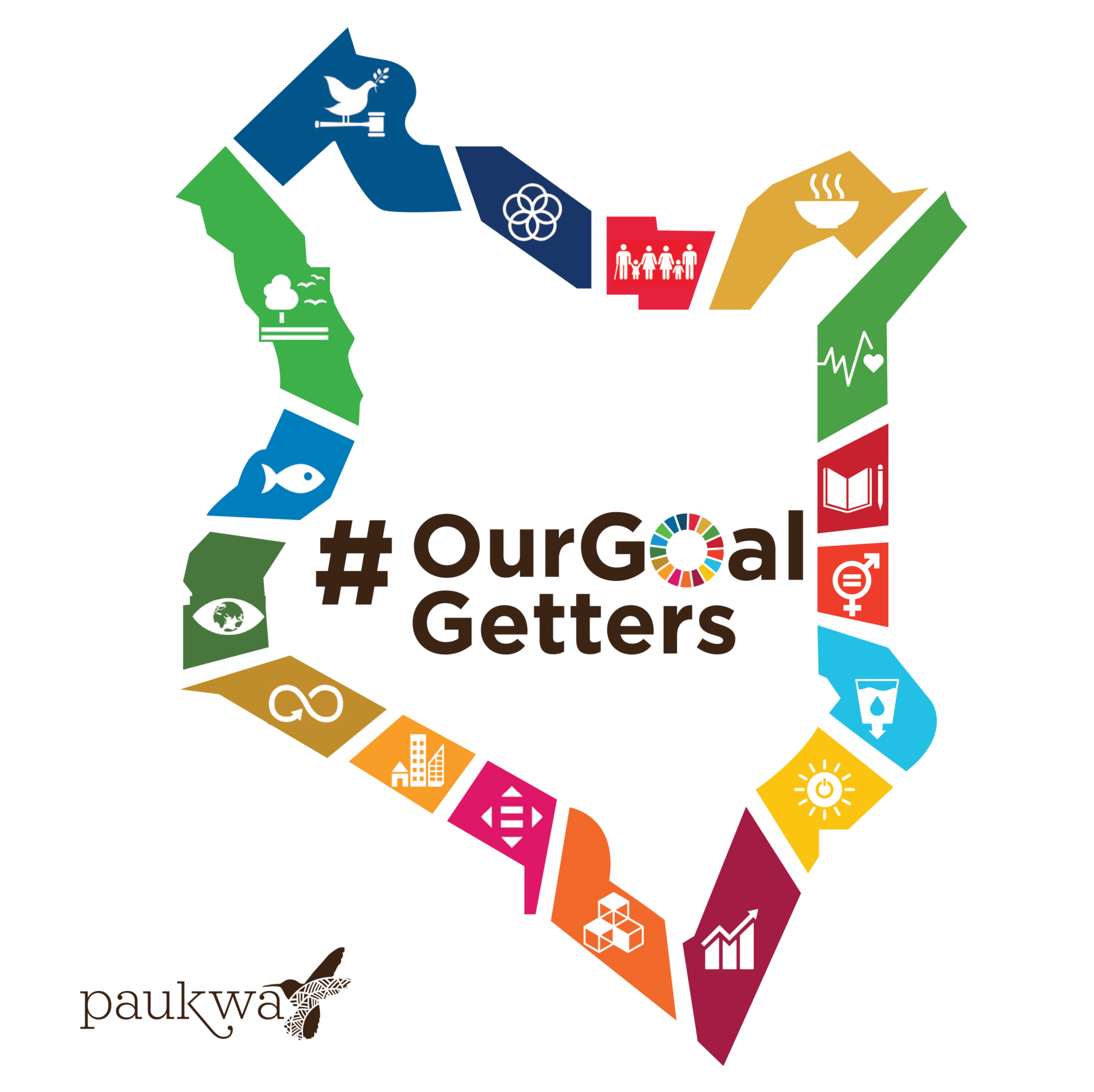
#OurGoalGetters
How familiar are you with the Sustainable Development Goals?
Whether you can recite them with ease, or they are a foreign concept, it is no doubt these guidelines adopted by UN member states in 2015 are redefining the future of sustainability globally. These 17 goals not only highlight the aims being striven for by 2030, but they also provide clear indicators and targets to mark progress as this deadline moves ever closer.
Around the world, organisations, governments, and individuals have stretched out their hands in unity to ensure that these goals are met. And Kenya is no exception.
The pertinent issues raised in the goals include everything from poverty to climate change and even life under water. The goals are an urgent clarion call to make the world a better place for future generations and we are honoured to highlight 17 Kenyans answering it with zeal.
Learn with us as we explore their individual journeys towards fighting for a greener, more equitable world and changing the lives of thousands of Kenyans in the process.
Nothing found.
#TrackingOurRailways
In August 1895, the Uganda Railway Act was introduced at Westminster, London, which authorised the construction of a railway from Mombasa to the shores of Lake Victoria. Though named after its destination and the region the British had set their sights to exploit, the entire length of the proposed line would lay in the East Africa Protectorate – present-day Kenya.
The project became the subject of raging debates in the British Parliament, earning the name Lunatic Line due to the anticipated construction expense. Within the protectorate, seers of different communities warned their people about an iron snake that would pass through their lands and wreak havoc. Amid this apprehension, construction of the railway line kicked off in 1896. By its completion in 1901, the line that spanned 600 miles had also claimed the lives of close to 2,500 workers and left many others severely injured. Despite these murky origins, the railway was the embodiment of fortitude, an engineering marvel that radically changed the perception, and by extension, the nature and history of Kenya.
For this story series, we are travelling back to the turn of the 20th century to chronicle the tales of this railway’s construction. From its inception at Mombasa, we will snake through the East Africa Protectorate and tell the stories of perseverance through the salty waters of the coast, bravery in the face of Tsavo’s man-eating lions, relentlessness through the unpredictable terrain, survival through tropical diseases, and resistance from African communities.
Join us on this journey to #TrackingOurRailways.
Nothing found.

#VisiwaVyetu
Kenya is known as a wildlife tourism hub and safari destination. Other than these gems, breathtaking waters besprinkle the Kenyan landscape giving both the coast and hinterland immense beauty. These waters are endowed with islands that bewitch with beauty and the promise of adventure.
Islands on the Kenyan coast are more known and adored by people than the ones on the inland waters. As such, many inland islands remain highly hidden from sojourners whose eyes only skim the surface of the Kenyan map. Bearing that in mind, we are voyaging across the waters to bring Kenya’s best-kept secrets to the light of dawn.
Welcome to #VisiwaVyetu, a story series that seeks to unearth the becoming of Kenyan islands: the people, the myths, and the legends behind the lands that grew out of water.
Nothing found.
#WakulimaWetu
What images come to mind when you think of farming? Maybe it’s meticulous green rows of vegetation or a jembe held high above the head before crashing down into the earth. Or perhaps your idea of farming has more to do with rearing livestock than tilling the land. Whatever your mind’s eye projects, it is no doubt that agriculture is the backbone of the Kenyan economy.
With such a huge part to play in the sustenance of our people, our farmers are gems. Though they are not always appreciated as such and working on farms is not seen as the most glamorous of occupations. Through our new collection #WakulimaWetu, we are taking a moment to celebrate the people who are brilliantly contributing to our food systems. We are burrowing beneath the ground and into the minds of those who carefully nurture the most unique crops and animals in the most unique ways. We hope you discover names of flora and fauna that are lesser-known and the people making their cultivation possible within our borders. Join us as we venture into shambas across the country to highlight farming that you just don’t see every day.
Nothing found.