
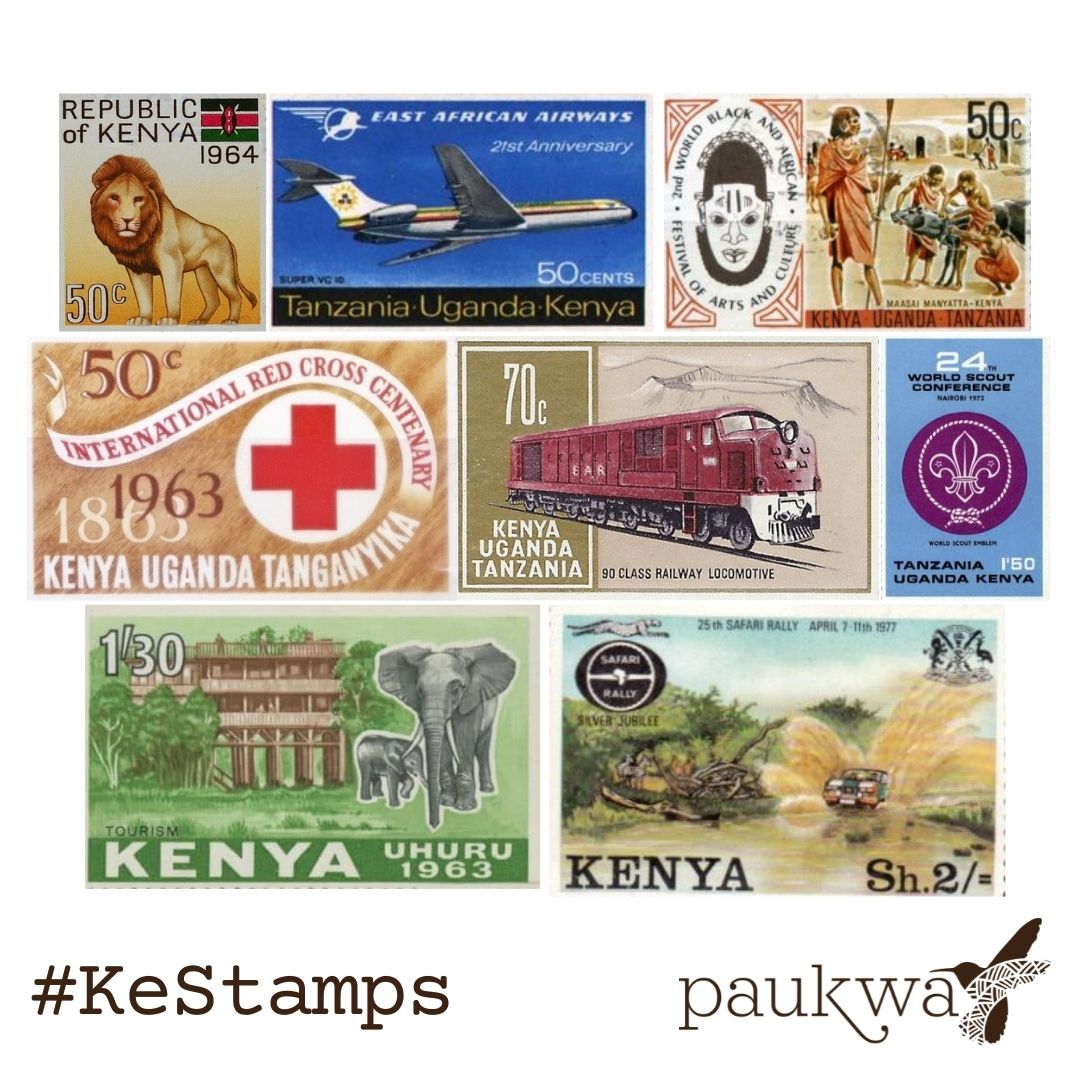
#KeStamps
If we turn back time by a few centuries, one of the first things that stands out is how different communication was from what it is today. Information was sent over long distances using smoke signals, drumbeats, and even town criers. It could take days or weeks for a message to reach the receiver. In contrast to present-day, emails, text messages, and multiple online platforms have made this process instantaneous. But there was an era that straddled these two worlds and served as a transitional period from one to the next; this was the era of letter-writing. The story of this era can’t be told without mentioning postage stamps.
This brings us to a Paukwa series titled #KeStamps, to take readers through the times and reasons behind the stamps released for use in Kenya in the decade that followed independence.
Nothing found.

#PaukwaEssays
We love telling stories that celebrate various facets of the 254. But every now and then, we are compelled to delve into aspects of Kenyan history and culture that are not entirely positive. Our hope is that by sharing our thoughts on these issues, we can give them the attention they demand and, who knows, perhaps even incite change.
Here are our Paukwa Essays.
Nothing found.
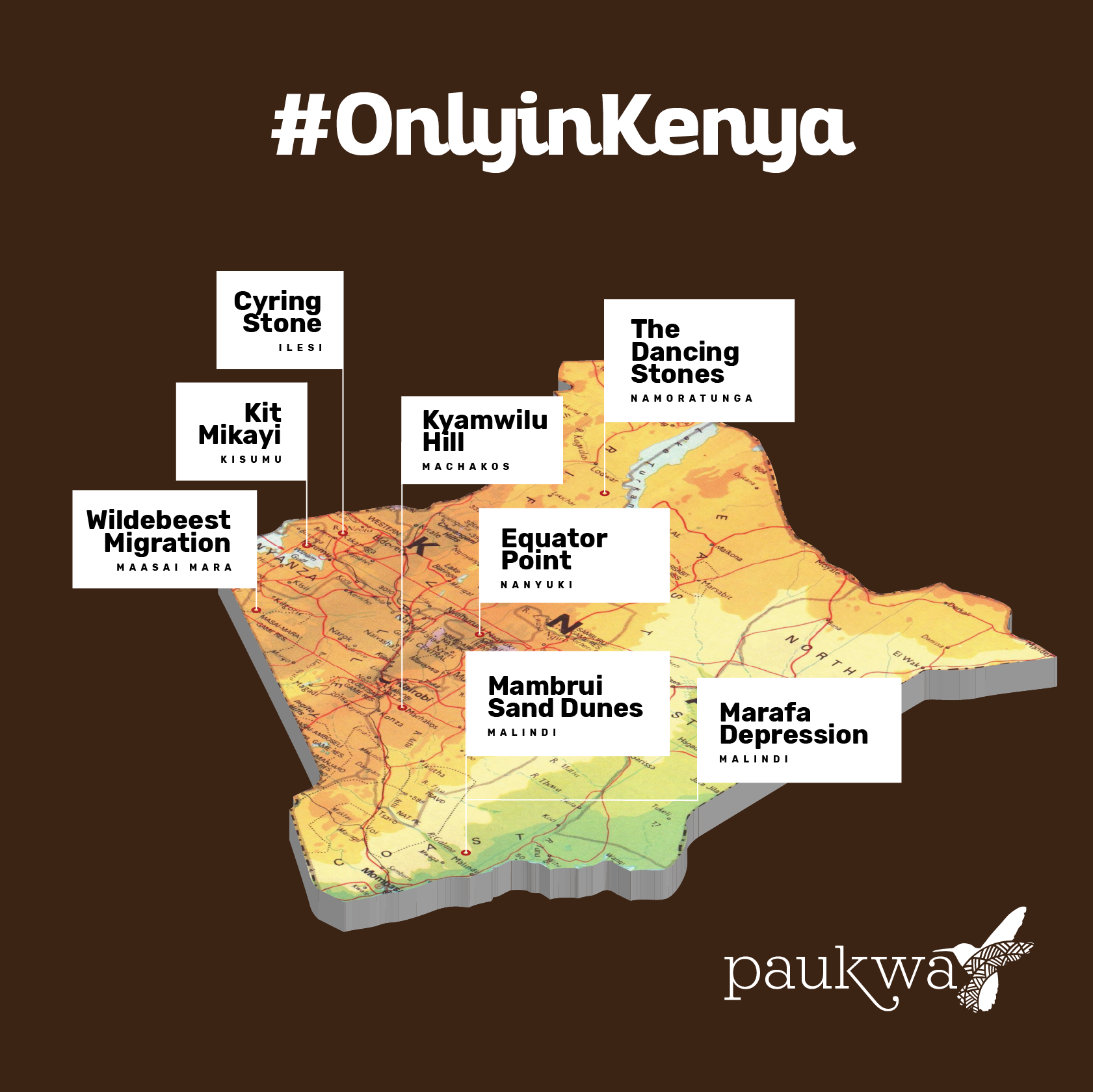
#OnlyInKenya
September 27th is World Tourism Day, the day set aside annually to raise awareness on the need for accessible tourism around the world.
In Kenya, tourism is the second-largest source of foreign exchange and no doubt our country’s wildlife, climate, and diverse landscape are some of the things that attract international tourists. Thanks to improved roads and more travel options, all our 47 counties are accessible. A question that comes to mind is whether as Kenyans we actively plan for trips to the different regions within our country and look forward to visiting the known and unknown gems that can only be found in the +254?
Not too long ago, the hashtag #TembeaKenya was one of the most popular hashtags in Kenya, encouraging Kenyans and vacationers from outside to explore Kenya. Thanks to #TembeaKenya, people planned road and rail trips, packed their bags and made sure their cameras were always within reach.
Once again, we would like to kickstart the enthusiasm to explore our beautiful country. Paukwa invites you to a new story collection titled ‘#OnlyInKenya’ where we will virtually tour unique destinations in Kenya – the places where you will surely find things, histories and tales that are unique to Kenya.
Nothing found.
#DawaZetu
Since time immemorial, human beings have sought methods of curing the many illnesses that plague us. This ancient practice is referred to in English as medicine – the science of preserving health by preventing or treating injury and disease. Not every community developed the same methods of curing diseases. This was due to differences in geographical location, which determined the prevalent illnesses and their treatments.
Although it might seem like Kenya now relies on modern medicinal practices, the opposite is true. A study by the World Health Organisation revealed that a whopping 70% of the Kenyan population still uses traditional herbal medication. The Centre for Traditional Medicine and Drug Research was established in Nairobi to study and preserve traditional healing practices. In 2016, even more validity was given to traditional medicines when the Traditional Knowledge and Cultural Practices Act was passed to protect the intellectual property rights of Kenyan herbalists and their communities.
Through this collection, we will discover the unique ways in which Kenyan communities cured and continue to cure their illnesses. Join us in discovering our local medicines and appreciating their amazing healing properties. Welcome to #DawaZetu.
Nothing found.

#KeMusicians: Veteran Edition
Music begins with sound. The sound might come from nature, or an instrument, or simply the human voice. Next comes the process of arranging one sound after another to create rhythm and melody. This art form predates recorded history and has possibly been around since the dawn of time.
For thousands of years, there was no way to capture music except through live performances; musicians were the safekeepers of lyrics and tunes. Technological advances revolutionized this concept, with most of this happening on a commercial level within the last two hundred years. Finally with a means of recording songs, musical careers began to blossom, and individuals began earning a living from their talent.
Today, the music business is a booming industry. With over 1,000 genres to choose from, musicians have the liberty to create whatever kind of music they wish. Some of the popular music genres in Kenya include rhumba, benga, rock, taarab, soul, and chakacha, just to name a few. The popularity of these genres is thanks to past musicians that created lasting impacts in these spaces.
This story collection is an ode to Kenya’s veteran musicians. Those that paved the way for the artists of today. Those that shaped the nation’s musical culture and set the standard for what music should be. It is through telling their stories that we honour their work and keep their legacies alive.
This is #KeMusicians: Veteran Edition.
Nothing found.
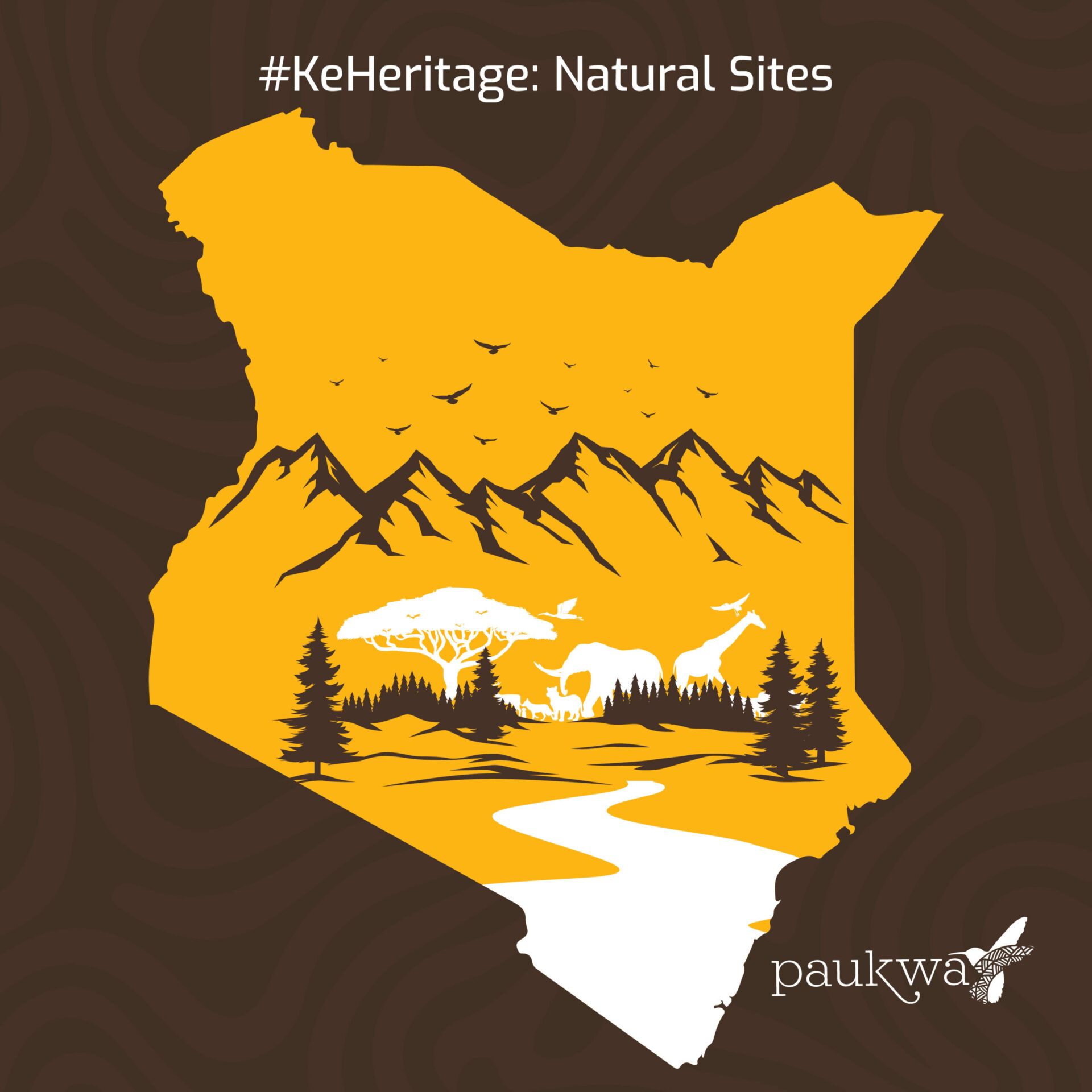
#KeHeritageSites
The number 7 seems to be the binding factor for a lot of things. Think about the days of the week, the continents in the world, the seas in the world, and closer to home, the number of World Heritage Sites in Kenya.
The United Nations Educational, Scientific and Cultural Organization (UNESCO) describes World Heritage Sites as important places of cultural or natural heritage. In Kenya, these sites have put us on a global map, and because of them we are encouraged to support local tourism and initiatives working to protect and maintain these sites.
Wondering what these sites are and how they came to be on the UNESCO list? Welcome to the story series that will answer this question and more.
Nothing found.
#KePodcasts
Can you imagine – or remember – that there was once a time when people were huddled around a radio to listen to a broadcast or a particular show? When we talk about development, we don’t just mean buildings and roads; we also mean communication systems.
In the spirit of reflection and in understanding development, we thought about the rise in podcasts, podcasters, and podcast listeners. What’s the hype about? What’s the value in podcasting? How have these podcasts come to be?
The answer was simply in looking within the context of Kenya, narrowing down to the podcasts doing the work of educating, informing, and entertaining listeners, and speaking to the creative teams behind them.
We introduce you to a new story collection called #KePodcasts. Whether you are taking a morning walk, or busy doing chores, or on your commute to work, these are audio-episodes worth listening to.
Nothing found.

#InConversationWith
Since 2017, Paukwa has been passionate about Kenyan stories. We aim to share these narratives, knowing that we are one of many platforms contributing to a positive Kenya.
But we can’t just limit ourselves to the +254, because Kenya is one of 54 countries on the continent. For this reason, we engaged with different Kenyans who are passionate about African stories. In different ways they have dedicated their time to share and contribute to the uplifting of African stories.
Welcome to Paukwa’s #InConversationWith series, a story collection of dialogues between our team members and Kenyans in the storytelling space.
Nothing found.
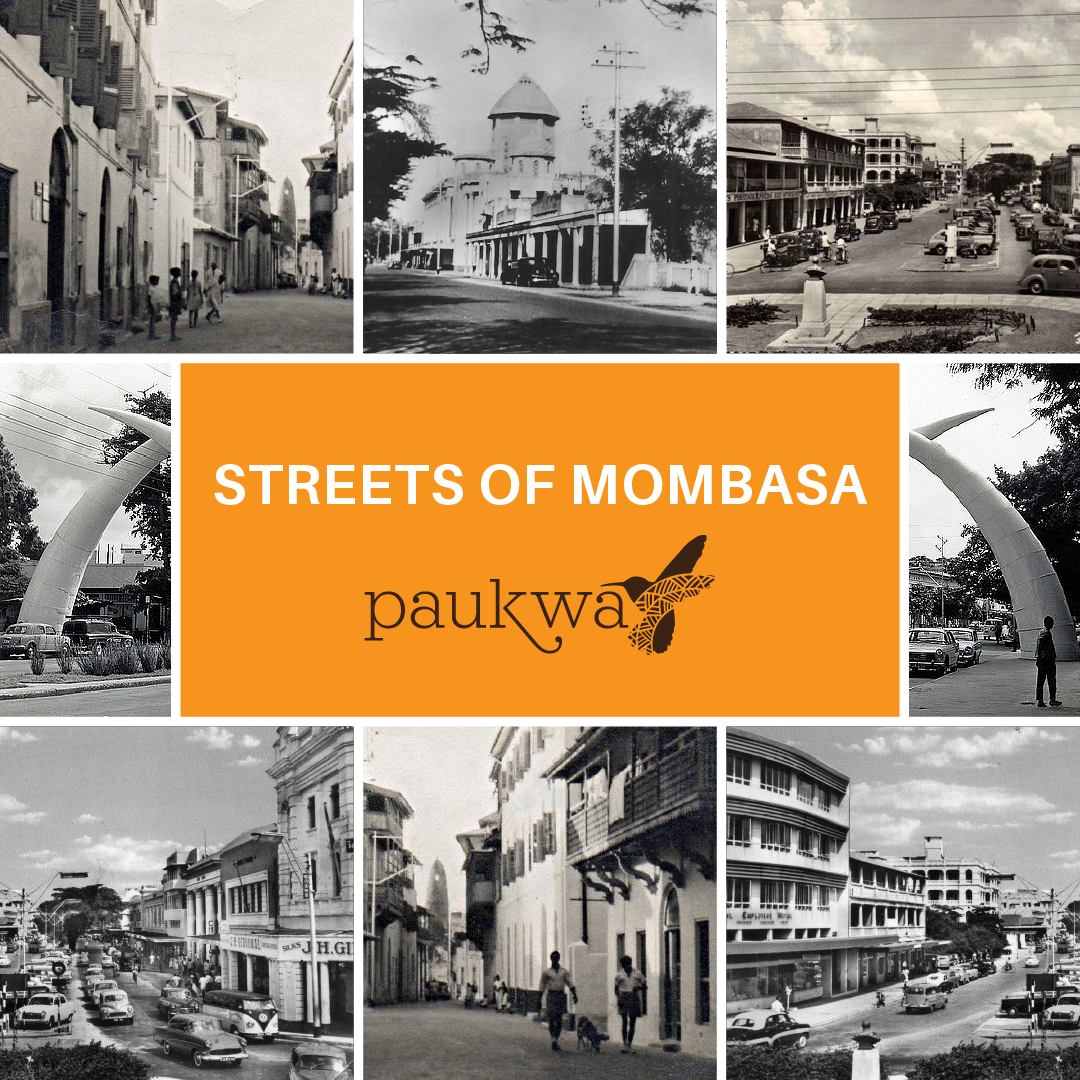
#StreetsOfMombasa
Mombasa.
A city. An island.
Did you know that there was once a time when Mombasa was the place several prominent people coveted? It was her strategic location by the Indian Ocean. Her meaningful relationship with the spice markets that made ships dock at her port every other week.
Mombasa is her name today, but initially the Arabs said Manbasa. Her present name was given to her in 1502. Though her history goes further back. The city was founded in 900 A.D by Mwana Mkisi and Shehe Mvita, and the island’s oldest structure dates back to 1300 A.D.
Much later, various foreigners anchored their ships along Mombasa with self-serving intentions. Rulership changed hands, and from these influences, the city grew and even prospered.
Mombasa would later be mapped within British Kenya. It was where East Africa’s first railway began and it was also the first city to undergo urban planning. Streets, causeways, bridges – they were all constructed and named.
Ah Mombasa…. a living legend. Want to know more about this historical city? Let the Streets of Mombasa tell you. We are striding down memory lane to discover this prominent coastal town.
Nothing found.